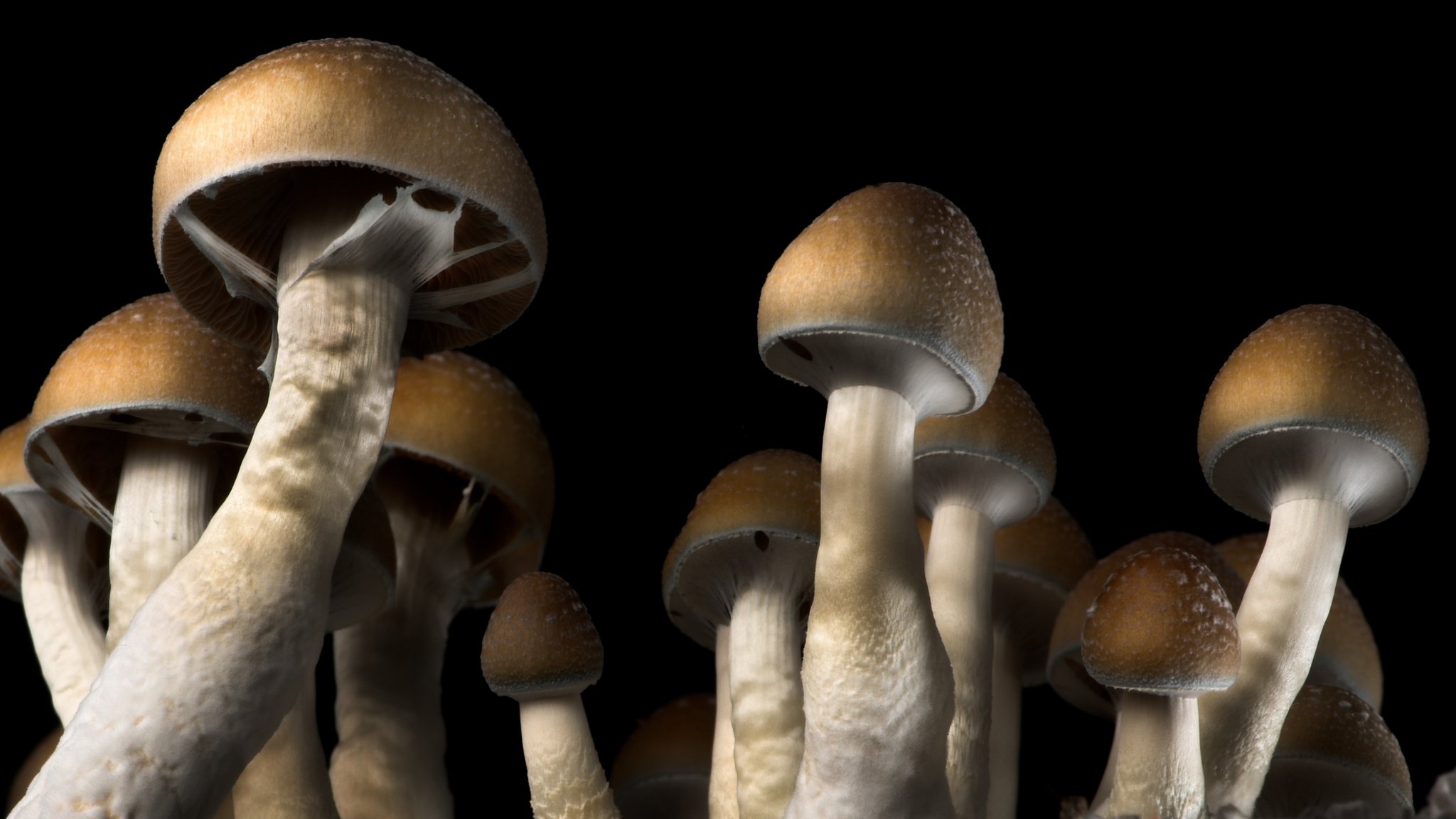
MICRO-DOSING MAGIC MUSHROOMS AS A HEALTH REMEDY

Micro-dosing involves taking a measured quantity of a substance, such as psilocybin. These small doses should not cause notable changes in the consciousness of an individual. 

Being classified as a Schedule I drug shows that psilocybin carries a high potential for abuse. Currently, it has no formal recognition for medicinal use. At present, researchers vouch for reclassification of psilocybin from a Schedule I drug to a Schedule IV drug to allow for therapeutic use.  

Unlike marijuana which is getting legalization support and recognition for health uses at present, psilocybin is still regarded as unsafe and illegal.  

While it is yet to receive approval, psilocybin has budding therapeutic benefits meant for handling behavioral and psychological disorders. Studies propose that psilocybin can be used to alleviate cancer-related psychiatric distress, depression, substance use disorders, and anxiety. 

What are the benefits of micro-dosing magic mushrooms? 

Psilocybin activates serotonin receptors, often in the prefrontal cortex – the part of the brain that processes perception and mood. The practice of micro-dosing magic mushrooms that involves ingesting small amounts of the psychedelic compound may produce positive effects for the following; 

  • Psilocybin micro-dosing as a treatment for depression 

Depression is a majorly researched symptom for psilocybin micro-dosing therapy.  

Studies examine the ability of psilocybin to reduce depression symptoms without dampening emotions while assessing any positive therapy effects. Deliberations are ongoing about whether psychotherapists may perform psilocybin micro-dosing as a remedy for depression. 

Page Break 

  • Cessation of drug addictions 

In several analyses, researchers established that psilocybin therapy improved smoking abstinence significantly. If successful, psilocybin could potentially treat other substance use disorders, for instance, alcohol, heroin, and cocaine addiction. 

  • Cancer-related mental distress and anxiety 

There are promising results on psilocybin treatment for depression and anxiety in people diagnosed with cancer. 

A randomized test found that a single dose of psilocybin reduced depression and anxiety in people with cancer considerably improving their quality of life. 

Summary 

Supporters say that micro-dosing psilocybin may improve mental health, provide cognitive and social benefits, improve mood, body functioning, and productivity throughout the day. However, the psychoactive substance is still illegal and requires extensive research. 

We should know that micro-dosing is not for all and sundry. There are some risks associated with micro-dosing such as low energy, reduced focus, and the fact that these substances are illegal. 

Psilocybin is highly potent than cannabis. People who have had an episode of psychosis, mania, or manic ought not to replace their treatment with psilocybin micro-dosing because it can trigger another psychosis or manic episode. 

Despite promising research, it is unknown when or whether psilocybin will ever be approved. If it happens so, it must only be administered in a clinic by trained and certified psychotherapists.  

Magic mushroom online :- https://www.shroomhub.io

Thomas L. Kerr

 brian@intltaxcounselors.com  

Related Post

Magic mushroom dispensary

THINGS YOU NEED TO KNOW ABOUT MICRO-DOSING MAGIC MUSHROOMTHINGS YOU NEED TO KNOW ABOUT MICRO-DOSING MAGIC MUSHROOM

Magic mushroom is one of the fungi that have been making an impact in the field of medicine. It contains a naturally occurring extract called psilocybin, a psychoactive ingredient. In previous years, people have been consuming doses of psilocybin with adverse side effects, including hallucination, which resulted in it being classified as a drug of abuse. However, Micro-dosing Magic Mushroom psilocybin has made doctors dispute this.

What is Micro-dosing?

Scientifically, the dosage is classified as overdosing, dosing, under-dosing, micro-dosing, etcetera. Micro-dosing is the consumption of tiny quantities of psychedelic drugs, and Micro-dosing can only amount to up to 10% of the total dose. It ranges from 100 to 300 milligrams of dried magic mushrooms about two to five times a week. 

What Can Micro-Dosing Do?

After a long time of considering psilocybin as a drug of abuse, scientists opted to research to find out if there could be other ways psilocybin could be helpful. Research on those dosing was drawn to the conclusion that it had adverse effects. They also did a trial on the individuals and those not using it. The situation of those dosing with psilocybin worsened than those who did not use any.

Another approach was derived from Micro-dosing Magic mushrooms. It involved using minimal quantities on people with depression, anxiety, and mental disorders. After observing them for some time, they noticed many changes with huge improvements compared to those who did not take the dosage.

They showed signs of stability mentally, almost non-depressed with no anxiety. It drove them to the conclusion that the micro-dosing was more effective.

What Are The Variations in micro-Dosing?

Micro-dosing was done on individuals of both genders, and the results were varied. There were unique observations in females compared to males. The Micro-dosing Magic Mushroom was more effective in females than males under the exact dose size, and the results indicated that it works better with females than males. 

How Is Micro Dosing Effective?

The magic mushroom proved to be effective with reduced dose sizes. It should be considered when dealing with depression and other mental disorders. However, the dosing should not be frequent to avoid harming the depressed. If you live in Quebec and are looking for some micro dosing products you can Find Magic Mushrooms in Montreal Here 

It is best to seek medical advice before opting to consume magic mushrooms. Also, they should make strict observations of the depressed by monitoring their progress, which will help to determine whether it impacts positively or negatively.

Conclusion

Magic mushrooms can treat depression when correctly micro-dosed under strict observations.

Thomas L. Kerr

 brian@intltaxcounselors.com  

How magic mushroom treat PTSDHow magic mushroom treat PTSD

Magic mushrooms are mushrooms that contain psilocybin, a hallucinogen that works by activating serotonin receptors. These receptors are found in the prefrontal cortex of the brain that affects perception, mood, and cognition. This article focuses on the benefits of magic mushroom uses to treat PTSD.  

PTSD on the other is an abbreviation of Post-Traumatic Stress Disorder. It may be caused by stress, serious accidents or physical and sexual assault. Before we look at the use of magic mushes in Canada to treat PTSD, let us discuss the symptoms of PTSD first. The following are some of the symptoms: 

  • Unwanted or intrusive thoughts, these are thoughts that pop up in your head without warning. 
  • Serious nightmares 
  • Avoidant behaviors like fear of swimming after drowning at one time or fear of heights after falling from a high building. 
  • Loss of memory 
  • Low self-esteem and viewing the world in a different perception. 
  • Isolating yourself from other 
  • Irritability and anger 
  • Loss of interest in doing activities you once loved. 
  • Sleeplessness 
  • Concentration difficulties 
  • Vivid flashbacks, the feeling that the traumatic event might repeat itself.  

Research  

Therapy, antidepressants and antipsychotics may fail at times, for some patients with PTSD. Studies have shown that psychedelic compounds found in magic mushrooms stimulate regrowth of nerve cell in parts of the brain responsible for memory and emotion.  

Effects of magic mushrooms uses to treat PTSD 

Psychedelic compound stimulates neurogenesis. Neurogenesis is the growth and repair of brain cells in the hippocampus, the brain’s center for emotion and memory. Studies have proved that psilocybin helps in breaking traumatic cycles that occurs in PTSD patients. The following are some of the effects of magic mushrooms uses to treat PTSD:

Positive effects 

  • Peacefulness 
  • Spiritual awakening, this is the act of learning to replace unhealthy coping skills with healthy and long-lasting coping skills. 
  • Quick change in emotions 
  • Reduced depression 
  • Brain reconnection 
  • Positive perception 
  • Anger management skills 

Negative effects 

  • Vomiting 
  • Yawning 
  • Confusion 
  • Paranoia  
  • Nauseated  
  • Drowsiness and dizziness  
  • Weakness in muscles 

If you experience intolerable side effects, you should stop taking the drug and seek medical guidance. The side effects could possibly mean that the drug is working or not working at all. People react differently to drugs, it is important to note that every drug has its side effects and some may be adverse.  

Conclusion 

Psychedelics make PTSD patients see things in a different way, allowing them to have profound feelings of self-love. This is an incredible effect since it makes them reconnect with themselves. The brain effectively rewires which enables it to reconnect and work in a different way. The good news is that psychedelics drugs are not addictive. Patients with PTSD can stop taking them when they feel much better. 

Thomas L. Kerr

 brian@intltaxcounselors.com  

THE FUTURE OF PSILOCYBIN: A PATH TOWARDS MAINSTREAM ACCEPTANCE THE FUTURE OF PSILOCYBIN: A PATH TOWARDS MAINSTREAM ACCEPTANCE 

  1. The Shifting Legal Landscape

The legal landscape surrounding psilocybin is evolving rapidly, driven by a greater understanding of the compound’s potential therapeutic benefits 99 $ Ounce Online. Traditionally seen as a Schedule-1 substance under U.S. federal law, implying the high potential for abuse and no recognized medical use, psilocybin is experiencing a sea change in its classification in various jurisdictions.

At the city and state levels in the United States, some jurisdictions, like Denver, Colorado, and Santa Cruz, California, have decriminalized psilocybin. In 2020, Oregon passed Measure 109, becoming the first state to permit regulated medical use of psilocybin. Advocacy groups in other states are seeking similar reforms, indicating an emerging shift in public sentiment.

  1. Integration into Mental Health Care

With the increasing recognition of psilocybin’s potential to treat conditions like depression, addiction, and anxiety, the mental health community is showing a heightened interest in this natural compound. While still in the early stages, the future could see psilocybin becoming a staple in certain therapeutic practices.

Psychedelic-assisted therapy, which includes using substances like psilocybin under the guidance of trained professionals, is becoming an emerging field of mental health treatment. In this setting, psilocybin is a catalyst to enhance the therapeutic process, helping patients gain new perspectives and insights. These unconventional methods could revolutionize mental health care, particularly for patients who have not responded to traditional treatments.

  1. Psilocybin in Scientific Research

The scientific interest in psilocybin is steadily growing, with researchers around the globe conducting studies to understand better its effects and potential uses. Much of the initial focus has been on its efficacy in treating mental health conditions. Still, studies explore other potential benefits, such as enhancing creativity and promoting personal growth.

Future research will undoubtedly focus on optimizing dosages, minimizing potential risks, and determining the best therapeutic contexts for psilocybin use. With increased funding and a growing acceptance of psychedelic substances in scientific circles, psilocybin is set to be an exciting area of study in the coming years.

  1. Educational and Cultural Shifts

Beyond law, healthcare, and science, broader societal attitudes toward psilocybin are also changing. As public education about the substance improves, the cultural stigma associated with its use diminishes. Psychedelic societies and grassroots organizations are increasing, often offering safe spaces for individuals to share their experiences and learn from each other.

Moreover, as the potential benefits of psilocybin become more widely recognized, we can expect to see its depiction in media and widespread culture shift as well. The image of psilocybin as a recreational drug of the counter-culture could be replaced with a portrayal of a therapeutic tool with the power to transform lives.

In conclusion, the future of psilocybin looks bright. Although there are many hurdles to overcome, the ongoing research, evolving legal status, and changing societal attitudes suggest that psilocybin is on a path toward mainstream acceptance. Once stigmatized and largely misunderstood, this naturally occurring compound could soon become a significant player in mental health treatment, scientific research, and our cultural landscape.

Thomas L. Kerr

 brian@intltaxcounselors.com