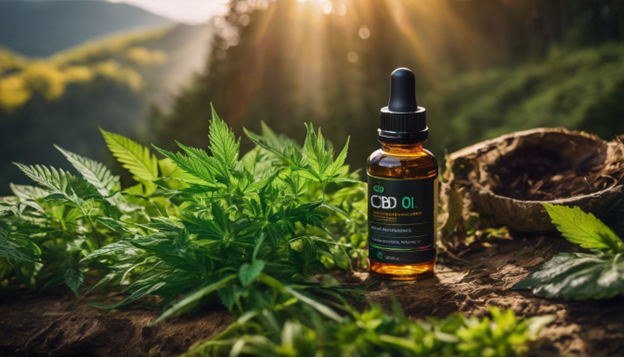
THE SURPRISING HEALTH BENEFITS OF CBD: WHAT YOU NEED TO KNOW 

Struggling with pain or anxiety is tough. CBD, short for cannabidiol, might have solutions for these issues. This blog will show you how CBD could improve your health in ways you didn’t expect. 

Could you keep reading to unlock its secrets? 

Potential Health Benefits of CBD 

CBD may relieve pain, reduce symptoms of mental health disorders, alleviate cancer-related symptoms, have neuroprotective properties, benefit heart health, and potentially offer other various benefits Zen Bliss Delta 8

May relieve pain 

CBD oil is gaining popularity for its pain-relieving properties. Many people turn to it as an alternative to traditional painkillers because of its natural origin and potential lack of intoxicating effects. 

Research suggests that CBD cannabinoids can interact with receptors in the brain and immune system, possibly reducing inflammation and alleviating pain. 

Individuals suffering from chronic conditions like arthritis and multiple sclerosis have reported significant relief after using CBD products. Unlike some prescription medications, CBD does not typically cause severe side effects, making it an appealing option for long-term use. 

It might offer new hope for those who struggle with persistent discomfort and are seeking non-psychoactive means of managing their symptoms. 

Could reduce symptoms of mental health disorders 

CBD shows promise in reducing symptoms of various mental health disorders. Research suggests that CBD may help alleviate symptoms associated with anxiety, depression, and post-traumatic stress disorder (PTSD). 

CBD is believed to interact with serotonin receptors in the brain, which can impact mood and emotional responses. Additionally, CBD’s anti-inflammatory properties could reduce symptoms related to these disorders. 

The potential of CBD as a natural remedy for mental health issues has sparked interest among researchers and individuals seeking alternative treatments. While more studies are needed to understand how CBD affects mental health entirely, preliminary findings indicate its potential to offer relief without the psychoactive effects commonly associated with cannabis products. 

Alleviate cancer-related symptoms 

Transitioning from mental health to physical health, CBD shows promise in alleviating cancer-related symptoms. Research suggests that CBD may help manage symptoms such as pain, nausea, and vomiting often associated with cancer treatments. 

Preliminary studies have shown the potential for CBD to mitigate chemotherapy-induced side effects and improve the quality of life for cancer patients undergoing treatment. Additionally, some findings indicate that CBD might also possess anti-tumor properties; however, further research is needed to substantiate these claims. 

Have neuroprotective properties 

CBD has demonstrated neuroprotective properties, potentially protecting the brain and nervous system. Studies suggest that it may help reduce inflammation in the brain, which could be beneficial for conditions such as multiple sclerosis and epilepsy. 

Additionally, CBD might aid in the prevention of neurodegenerative diseases like Alzheimer’s and Parkinson’s. 

Understanding these neuroprotective qualities of CBD sheds light on its potential impact on overall brain health and its role in protecting against various neurological conditions. 

Benefit heart health 

CBD oil can potentially benefit heart health by reducing blood pressure and decreasing the risk of cardiovascular issues. Studies suggest that CBD may help manage stress and anxiety, which are factors linked to heart disease. 

Its anti-inflammatory properties could also contribute to overall heart health. CBD’s antioxidant and anti-inflammatory effects may be vital in protecting the heart from conditions like stroke or coronary artery disease. 

Moving on to “Potential other benefits,” let’s explore how CBD can positively impact other aspects of wellness. 

Potential other benefits 

CBD may benefit skin health, including reducing acne due to its anti-inflammatory properties. It could also alleviate symptoms of neurological disorders like epilepsy and multiple sclerosis. 

According to studies about those who smoke CBD Vapes in Australia, some research suggests that CBD might have antipsychotic effects, offering potential relief for individuals with schizophrenia. 

Moreover, preliminary studies indicate that CBD may have anti-tumour effects and could potentially be used in the treatment of diabetes by modulating blood sugar levels. Furthermore, there is emerging evidence suggesting that CBD might possess antidepressant properties, providing a possible alternative or complementary approach to managing depression. 

Possible Side Effects and Precautions 

Be aware of potential side effects such as dry mouth, diarrhoea, and reduced appetite, as well as the importance of consulting with a healthcare professional before using CBD. There are also possible interactions with other medications to consider. 

Dry mouth, diarrhoea, reduced appetite, drowsiness, fatigue 

CBD may lead to side effects such as dry mouth, diarrhoea, reduced appetite, drowsiness, and fatigue. These symptoms are generally mild and tend to subside once the body adjusts to the CBD treatment. 

It’s essential to monitor these effects and consult a healthcare professional if any concerns arise. 

Considering the potential side effects of CBD, users must be aware of how their bodies respond to this natural remedy. Move ahead for a deeper understanding of CBD’s interactions with other medications. 

Interactions with other medications 

CBD may interact with certain medications, including blood thinners, antidepressants, and antibiotics. These interactions could impact how the body metabolizes these drugs, potentially leading to side effects or reduced effectiveness. 

It’s crucial to consult a healthcare professional before using CBD alongside other medications to avoid any potential adverse effects. 

Moving on from potential medication interactions, let’s delve into the limited research on long-term use and the associated risks of CBD. 

Limited research on long-term use and potential risks 

Limited research exists on the long-term use and potential risks of CBD. Interactions with other medications are a concern, emphasizing the importance of consulting with a healthcare professional before incorporating CBD into your regimen. 

It’s crucial to approach its use cautiously, especially for individuals with underlying health conditions or taking other medications. 

Potential risks associated with long-term use remain unclear due to insufficient scientific data. Therefore, users should exercise caution and seek guidance from medical professionals when considering prolonged CBD usage. 

Importance of consulting with a healthcare professional before use 

Before using CBD, it is crucial to consult with a healthcare professional, especially if you are taking medications or have underlying health conditions. A medical provider can offer personalized guidance on dosage, potential interactions with other medicines, and the overall suitability of CBD for your specific health needs. 

Consulting with a healthcare professional ensures the safe and informed use of CBD, addressing any concerns and maximizing the potential benefits while minimizing risks. 

Seeking advice from a healthcare professional before using CBD helps you understand how it may interact with your current treatment regimen and allows for tailored recommendations based on individual health factors. 

Conclusion 

In conclusion, CBD may offer several health benefits, including pain relief and potential alleviation of cancer-related symptoms. It also has neuroprotective properties and benefits heart health. 

However, users should be mindful of possible side effects like dry mouth and drowsiness and the importance of consulting with a healthcare professional before use. With its promising potential, CBD continues to be an intriguing topic in health and wellness. 

Thomas L. Kerr

 brian@intltaxcounselors.com  

Related Post

MAGIC MUSHROOMS: A POTENTIAL ALLY IN CANCER PATIENT CARE MAGIC MUSHROOMS: A POTENTIAL ALLY IN CANCER PATIENT CARE 

  1. Introduction to Psilocybin and Its Therapeutic Uses

Psilocybin is a naturally occurring compound found in over 200 species of fungi, colloquially known as magic mushrooms. Used for centuries by indigenous cultures in religious and healing rituals, its psychoactive properties have recently become a focus of modern medical research Click Here For more Info. Psilocybin has been studied in various therapeutic contexts, including as a potential aid for cancer patients.

Research on psilocybin as a treatment for mental health conditions has shown promise, leading to its reclassification in some countries as a Schedule-2 drug, meaning it has recognized medical benefits. For instance, studies have suggested its effectiveness in treating depression, post-traumatic stress disorder, and addiction.

  1. Psilocybin and Cancer-Related Distress

Among the debilitating side effects of cancer and its treatment, psychological distress is one of the most profound, often leading to severe depression and anxiety. In this context, psilocybin has shown significant potential to alleviate these symptoms.

In a 2016 study published in the Journal of Psychopharmacology, patients with life-threatening cancer diagnoses reported reduced symptoms of depression and anxiety after just a single dose of psilocybin. This reduced psychological distress was found to last for up to six months, suggesting that psilocybin could provide long-term relief for cancer patients.

  1. The Mechanism of Action of Psilocybin

So, how does psilocybin work? The compound is psychedelic, which means it works primarily by binding to serotonin receptors in the brain. This can induce profound changes in consciousness, often characterized by unity, interconnectedness, and a transcendence of time and space.

This altered state of consciousness can help cancer patients reframe their experiences and fears about their illnesses. Some patients describe these experiences as profoundly spiritual or mystical, leading to insights that help them confront their mortality and find peace with their situation. This way, psilocybin-assisted therapy can offer psychological relief that traditional treatments might not provide.

  1. The Future of Psilocybin in Cancer Care

Given these promising results, researchers are now focused on further understanding the therapeutic potential of psilocybin and finding ways to integrate it safely into standard cancer care. Despite the progressive reclassification in some regions, psilocybin remains a Schedule-1 drug under U.S. federal law, indicating that it has no officially recognized medical use and a high potential for abuse.

However, as public opinion shifts and scientific evidence continues to mount, there is a growing hope that psilocybin will play an increasing role in cancer care, especially in managing the psychological distress associated with the disease. It’s essential to note that while the initial research is promising, psilocybin is not a cure for cancer but a potential tool to help manage its psychological effects.

In conclusion, magic mushrooms may offer more than their mystical reputation suggests. As psilocybin research continues, the substance’s potential as an aid in cancer care is becoming more apparent. The following years may see this natural compound playing an integral part in revolutionizing cancer patient care, alleviating mental distress and improving the overall quality of life for those facing this challenging disease.

Thomas L. Kerr

 brian@intltaxcounselors.com  

THE ART OF MICRODOSING SHROOMS FOR MENTAL CLARITY THE ART OF MICRODOSING SHROOMS FOR MENTAL CLARITY 

Feeling foggy and unfocused is a common problem. Psilocybin microdosing might offer some clarity. This article explores how tiny doses could sharpen your mind without the high. Keep reading for insights into a clearer mind. 

Key Takeaways 

  • Microdosing shrooms means taking tiny amounts that don’t make you fully trip but might improve focus, mood, and creativity. 
  • Research on microdosing is still new. Some studies are positive, but there are safety worries and we need more proof to be sure of its effects. 
  • Studies without bias show promising signs that microdosing can help with mental sharpness and well – being. 
  • The way microdosing works involves increased brain connectivity, which may lead to better clarity and thinking skills. 
  • People consider microdosing for natural mental health boosts but should move forward carefully because of the risks and unknowns. 

The Science Behind Microdosing 

Microdosing involves taking very small amounts of substances like psilocybin mushrooms for mental clarity. There are safety concerns and lack of definitive evidence about its effects Microdose Magic Mushrooms Canada

Definition of microdosing 

Microdosing involves taking tiny amounts of psychedelics like psilocybin mushrooms. These doses are too small to cause a full-blown trip but might boost creativity, focus, and mood. 

People do this hoping for mental health benefits without the intense experiences larger doses can bring. 

Safety concerns exist as research on microdosing is still in early stages. Some studies suggest benefits; others caution about potential risks. Next, we explore how these low doses might improve mental clarity. 

Safety concerns and lack of definitive evidence 

Safety concerns surround microdosing due to limited conclusive evidence on its long-term effects. The use of mind-altering substances like psilocybin for mental clarity must be approached cautiously, considering potential risks and lack of extensive research. 

It’s crucial to prioritize safety and consult healthcare professionals before embarking on such alternative treatments to ensure holistic wellness. 

Using Microdosing for Mental Clarity 

Microdosing can potentially enhance focus and mood without the hallmarks of full hallucinogenic effects. Research suggests that low doses of serotonergic hallucinogens could play a role in cognitive enhancement and mindfulness. 

Potential benefits and challenges 

Microdosing shrooms may offer potential benefits for mental clarity, such as mood improvement, focus enhancement, and cognitive enhancement. However, it is important to acknowledge the challenges related to safety concerns, lack of definitive evidence, and the potential for a placebo effect. 

While double-blind placebo-controlled studies have shown promise in understanding the effects of microdosing on neural complexity and thalamo-cortical modeling, navigating through the complexities of using mind-altering substances like psilocybin requires careful consideration. 

It’s imperative to seek more than just aesthetic enhancement when considering microdosing psilocybin. The ever-evolving realm of holistic healing through alternative medicine acknowledges that while microdosing holds promise for neuroplasticity and self-care practices like mindfulness and meditation, careful and meticulous approach towards cognitive enhancement should be tailored towards individual needs. 

Double-blind placebo-controlled studies 

Transitioning from potential benefits and challenges, let’s explore the findings from double-blind placebo-controlled studies. Researchers conducted experiments without knowing who received the actual microdose or the placebo to determine its true effects on mental clarity. 

These rigorous studies provide valuable insights into the effectiveness of microdosing shrooms for enhancing cognitive function and overall well-being, offering a scientific understanding that supports its use as a mind-altering substance for self-care and mental clarity. 

Thalamo-cortical modeling 

Thalamo-cortical modeling explains how microdosing shrooms may affect the brain. This model helps us understand how low doses could enhance neural complexity, potentially contributing to mental clarity. 

Through this modeling, researchers have found increased activity in the thalamus and cortex after microdosing, suggesting a potential pathway for the observed cognitive effects. These findings shed light on the scientific basis for using microdosing as a tool for mental wellness. 

Neural complexity increased after low doses 

Low doses of microdosed shrooms can enhance neural complexity. Thalamo-cortical modeling suggests that these doses lead to increased connectivity in the brain, potentially promoting mental clarity and cognitive function. 

This may contribute to improved thalamocortical dynamics, positively impacting overall well-being. Embracing this natural potential for mental enhancement can be part of a holistic approach to self-care. 

Now let’s explore the potential benefits and challenges of using microdosing for mental clarity. 

Conclusion 

Microdosing mushrooms can offer mental clarity, supported by scientific studies. The potential benefits are promising for those seeking a natural way to enhance cognitive function. This approach to self-care should be explored cautiously, considering safety concerns and the lack of definitive evidence. 

Thomas L. Kerr

 brian@intltaxcounselors.com  

PSILOCYBE CUBENSIS: AN IN-DEPTH LOOK AT THE MOST COMMON MAGIC MUSHROOM PSILOCYBE CUBENSIS: AN IN-DEPTH LOOK AT THE MOST COMMON MAGIC MUSHROOM 

Exploring the mysteries of magic mushrooms can be a journey full of questions. Psilocybe cubensis, a hallucinogenic fungus known for its powerful mind-altering effects, is a member of this family Buy Shrooms Here.

Our article explores this common mushroom, helping you understand its use, effects, and how to safely embrace its experiences. Keep reading; discovery awaits! 

What is Psilocybe Cubensis? 

Psilocybe cubensis is a species of psychedelic mushroom that contains psychoactive compounds such as psilocybin and psilocin. It has a long history of use in various cultures for its mind-altering effects and can be found in different parts of the world. 

This magic mushroom has mental and physical effects on the body, but it also comes with potential risks and concerns that must be understood. 

History of its use 

People have used Psilocybe Cubensis, a psychedelic mushroom, for thousands of years. Ancient tribes in Central America valued these mushrooms for religious and spiritual ceremonies. 

They believed the mushrooms connected them to the gods. Modern scientists study Psilocybe Cubensis for its therapeutic potential as a neuropharmaceutical. 

Today’s interest goes beyond spirituality; researchers explore how psychoactive compounds like psilocybin and psilocin from these mushrooms could help treat mental health issues. As we learn more about their chemical composition, our understanding of safe usage grows, making it essential to consider how they affect our brains and bodies. 

Occurrence and composition 

Psilocybe cubensis, also known as the golden cap or magic mushroom, is one of the most widely distributed and easily cultivated psychedelic mushrooms. It can be found growing in a variety of tropical and subtropical environments worldwide, often thriving in humid conditions. 

Psilocybe cubensis’s composition includes psilocybin and psilocin as its primary psychoactive compounds, which are responsible for its hallucinogenic effects. 

As we delve deeper into the effects on the brain and body, it becomes apparent that understanding the occurrence and composition of Psilocybe cubensis is crucial for ensuring safe and responsible use. 

Effects on the brain and body 

Psilocybe cubensis can cause visual and auditory hallucinations when consumed. It can also alter perception, mood, and thought processes. The psychoactive compound psilocybin affects serotonin receptors in the brain. 

Physically, Psilocybe cubensis can cause nausea and muscle weakness. It may also increase heart rate and blood pressure temporarily. Research suggests that it has potential therapeutic effects for treating depression and anxiety based on preliminary studies with controlled settings. 

Moving forward to “How to Use Psilocybe Cubensis Safely and Responsibly,” understanding dosage is crucial for a positive experience with this substance. Setting and environment also play key roles in ensuring safety during consumption. 

Risks and concerns 

After understanding the effects of Psilocybe cubensis on the brain and body, it’s essential to consider potential risks and concerns associated with its use. Long-term psychological effects should be carefully considered, given that hallucinogens may trigger latent mental health conditions. 

Additionally, consuming unknown strains can lead to adverse physical reactions due to their varying chemical compositions. Users must know these dangers before using Psilocybe cubensis to make informed decisions about their well-being. 

Integrating insights and experiences also involves responsibly acknowledging potential risks and concerns when using Psilocybe cubensis. Understanding the importance of accurate dosage, ensuring a safe setting, and being mindful of individual sensitivities are key to minimizing any adverse outcomes from this mind-altering substance. 

How to Use Psilocybe Cubensis Safely and Responsibly 

Understanding the correct dosage and potential dangers is crucial, as well as creating a safe and comfortable environment for use. For more detailed information on using Psilocybe Cubensis responsibly, keep reading! 

Understanding dosage and potential dangers 

Psilocybe Cubensis dosage varies but start with a low amount. Gradually increase to avoid overwhelming effects. Potential dangers include nausea, anxiety, and confusion if too much is consumed. 

Use trusted sources for accurate information on safe usage. 

Now, let’s explore the importance of setting and environment when using Psilocybe Cubensis responsibly. 

Setting and environment 

Choose a calm, familiar place for your Psilocybe Cubensis experience. Make sure it’s tidy and comfortable. Natural settings like gardens or parks can enhance the journey. Turn off phones and electronics to limit potential disruptions. 

Create a soothing ambience with soft lighting, calming music, or nature sounds. 

Ensure you are in a positive state of mind before consuming Psilocybe cubensis. Surround yourself with trusted friends or experienced trip sitters for support. Prepare your mindset to embrace the insights and revelations that may come during the experience. 

Integrating insights and experiences 

After creating a safe and suitable environment for your mushroom experience, it’s essential to integrate the insights and experiences gained. Reflect on your journey with Psilocybe Cubensis, identifying any thoughts or emotions that arose during the trip. 

Consider journaling about your experience, as this can help solidify the lessons learned and provide guidance for future personal growth. Engage in open discussions with trusted individuals who are knowledgeable about mind-altering substances, seeking their perspectives and support as you process your encounter with Psilocybe cubensis. 

As you contemplate the effects of Psilocybe cubensis on your mind and body, remember that integration requires patience and self-compassion. Embrace the unique insights gained from this powerful mushroom while nurturing a deep understanding of its impact on your life. 

Conclusion 

In conclusion, Psilocybe Cubensis is a fascinating and potent magic mushroom with a rich history of use. Exploring its chemical composition and effects on the brain and body provides valuable insights into its potential benefits and risks. 

Understanding safe usage practices, such as dosage control and mindful environment settings, is crucial for responsible use. Overall, Psilocybe Cubensis offers intriguing possibilities for those seeking to explore mind-altering substances thoughtfully and informedly. 

Thomas L. Kerr

 brian@intltaxcounselors.com