THE EVOLVING WASHINGTON DC CANNABIS MARKET: LEGALIZATION, LEGISLATION, AND BUSINESS OPPORTUNITIES 

Many people wonder how Washington, D.C., fits into the changing world of cannabis. The capital has seen significant shifts from medical marijuana to recreational acceptance. This article outlines what you must know about the laws and money-making opportunities in D.C.’s cannabis scene. 

Keep reading; there’s much to uncover! 

The Legalization and Legalization of Cannabis in Washington, D. C. 

From medical use to recreational use, Washington, D.C., has seen significant changes in its cannabis laws. Decriminalization and legalization laws have sparked support and opposition, leading to ongoing debates and protests within the city. 

From medical use to recreational use 

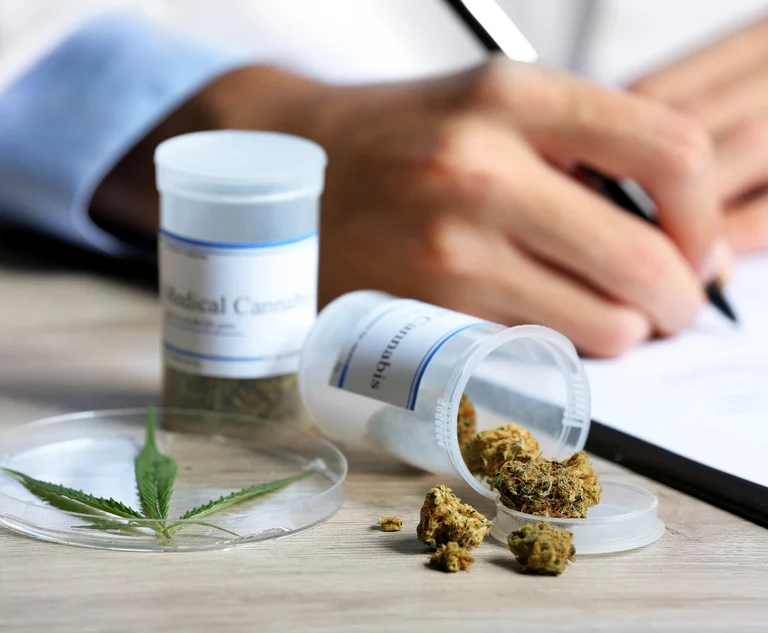
Washington, D.C., initially embraced cannabis for its medicinal properties, recognizing it as a treatment option for various ailments. Patients with prescriptions could access the drug legally, leading to the establishment of regulated dispensaries across the district. 

This medical program laid the groundwork for broader acceptance and set in motion conversations about adult-use cannabis. 

The shift towards recreational use became a hot topic as attitudes toward marijuana legislation softened nationally. Advocates pushed for change, citing the benefits seen in states that had already made the switch to legalizing recreational weed. 

After much debate and consideration of potential regulatory changes, steps were taken to allow adults in Washington, D.C., to possess and use cannabis without medical justification, giving rise to new business opportunities within the evolving cannabis market. 

Decriminalization and legalization laws 

Moving from medical use to recreational use has led to the implementation of decriminalization and legalization laws in Washington, D.C. These laws have transformed the landscape of cannabis consumption and distribution, paving the way for legal adult-use cannabis. 

The shift towards decriminalization has alleviated penalties for possession, while legalization has opened doors for regulated sales and taxation. 

Legislation surrounding decriminalization and legalization has significantly changed how cannabis is perceived, distributed, and consumed in Washington, D.C. The impact on local communities and businesses cannot be overstated, as these laws continue to shape the evolving market dynamics. 

Opposition and protests 

Opposition to the legalization and legislation of cannabis in Washington, D.C., has been voiced by certain groups concerned about the potential impact on public health and safety. Protests have emerged from organizations advocating for strict regulations or complete prohibition of recreational marijuana use. 

These opposing voices are an important part of the ongoing conversation surrounding the cannabis industry’s growth in the region. They highlight key issues that policymakers must consider as they navigate this evolving landscape. 

As business opportunities continue to expand within the D.C. cannabis market, opposition movements play a crucial role in shaping regulations and policies, ensuring that all concerns are addressed adequately while maximizing the potential benefits of this burgeoning industry. 

Business Opportunities in the Evolving DC Cannabis Market 

The evolving D.C. cannabis market presents challenges and opportunities for businesses looking to capitalize on the growing industry. The Safe Cannabis Sales Act of 2019 has the potential to significantly impact the market, creating new avenues for growth and expansion within the cannabis business sector. 

Impacts on the local economy 

The legalization of adult-use cannabis in Washington, D.C., has had significant impacts on the local economy, leading to the creation of new jobs and business opportunities. With the emergence of retail cannabis stores and related services, tax revenue for the city has increased, contributing to economic growth and development. 

Additionally, the Safe Cannabis Sales Act of 2019 aims to regulate legal sales and reduce the influence of the grey market, providing a framework for sustainable economic benefits from legalized cannabis. 

As we delve into how these changes have influenced business opportunities within the evolving D.C. cannabis market. 

Challenges and opportunities for cannabis businesses 

Navigating the evolving Washington D.C. cannabis market presents challenges and business opportunities. Regulatory compliance, including licensing and taxation, represents a significant hurdle for entrepreneurs entering the industry. 

Additionally, access to banking services and financial institutions remains limited due to federal regulations on cannabis. However, amidst these challenges lie promising opportunities for growth and innovation within the market. 

Cannabis businesses can capitalize on the growing demand for diverse products such as edibles, topicals, and concentrates. Furthermore, strategic partnerships with local dispensaries and delivery services offer avenues for expansion across the metropolitan area. 

Safe Cannabis Sales Act of 2019 and its potential effects on the market 

The Safe Cannabis Sales Act of 2019 aims to regulate the sale of cannabis in Washington, D.C. This legislation sets strict guidelines for the packaging, labelling, and testing cannabis products to ensure consumer safety and quality. 

It also outlines retail sales, taxation, and licensing rules to create a legal framework for the emerging cannabis market. 

By implementing the Safe Cannabis Sales Act of 2019, the local government hopes to establish a transparent and responsible adult-use cannabis industry while addressing public health concerns. 

Conclusion 

In conclusion, the Washington, D.C., cannabis market continues to evolve with the shift from medical to recreational use. The landscape is shaped by decriminalization and ongoing legislative changes. 

Local businesses face challenges but also have opportunities for growth in the expanding industry. The Safe Cannabis Sales Act of 2019 could further impact the market, making it an exciting time for those involved in the industry. 

Thomas L. Kerr

 brian@intltaxcounselors.com  

Related Post

The variance between vaping and smoking weedThe variance between vaping and smoking weed

Individuals confuse the process of vaping and smoking weed to be comparably same but actually, they differ in many ways. This article takes you through how both activities take place and what is involved in each of them. 

 To be able to understand what vaping and weed smoking involves, you need to get detailed information about both of the activities. Below is a detailed description of both of the two activities and how they related. 

 Vaping 

 Vaping involves inbreathing vapourized dried weed in form of vapour rather than smoking the weed. Vaping involves concentrated weed substances that have been dried and vaporized. 

 Vaping imposes more sensation compared to smoking due to the high concentration of substance used. Also, it’s important to note that vaping has side effects and can cause healthy complications lung complications. Some of the lung complications associated with vaping include popcorn lungs which have resulted in a number of death cases. 

 Vaping is a new way of consuming weed and thus research about it hasn’t yet been of many details, thus it’s clear to say that detailed information of the side effects of vaping is yet to be discovered. 

 Smoking weed 

 Weed smoking is one of the common ways individuals consume weed. It involves consuming weed through inbreathing burnt weed substance directly into the body system. It is considered one of the fastest way to get high. 

 Smoking weed comes along with side effects and which can pose a negative impact physically and also harm the body. These side effects may include: 


  • Memory incapacity 
  • Breathing problems 
  • Can cause the growth of lung, neck and brain cancer 
  • Can alter the menstrual cycle  
  • Can lead to depression 
  • Can alter decision making consciousness 
  • Body immune goes down 

 There are different ways in which individuals use to smoke weed. Weed can be smoked in the following ways: 


  • Spiffing cannabis together with tobacco makes it less strong 
  • Making cigarette rolls of dried marijuana flowers 
  • Pipe smoking 

 The variance between vaping and smoking weed 

 The weed substance used in vaping is more concentrated compared to that one used in smoking. This is why vaping impacts more strong compared to smoking. Despite the fact that both differ in the intensity of their impact, they both take impose sensation and effect as soon as they are consumed. 

 Certain individuals smoke weed of high concentration more than normal. The substance involved include kief and hash which is considered to have almost same effect as compared with vaping. 

 It is much safer considering either vaping or smoking weed in small bits, and taking some time before having more of your substance. These allows your body to be able to gradually accommodate the effect from your substance. 

 Deciding on whether to do vaping or smoke weed is your decision. But to get high and enjoy the sensational feeling from your substance depends on how you choose to take your substance. 


Thomas L. Kerr


 brian@intltaxcounselors.com


WHEN ALBERTA CANADA’S NEW MARIJUANA CAPITAL WHEN ALBERTA CANADA’S NEW MARIJUANA CAPITAL 

It is also known as Cannabis. It is psychoactive, with over 480 constituents produced from the Cannabis sativa plant. It is made from dried leaves and flowers of a hemp plant and can be smoked. It directly affects the brain functions, especially those parts responsible for memory, attention, learning, emotions, reaction to time, decision-making, and coordination.  

Alberta is a province in Western Canada whose landscapes encompasses prairies, mountains, desert badlands, and vast coniferous forests. It is made of a diverse set of cultures and communities that are home to many world-class services. It is known for its large oil industry. No province comes anywhere close to the 306 cannabis stores in Alberta that have been given the green light since the legalization of Marijuana. 

When was it legalized? 

Other countries distribute Marijuana through publicly owned retail, whereas Alberta allows private companies to sell it at licensed retail storefronts and online. These private retailers must purchase it from AGLC, the provincial wholesaler. 

Who can use it? 

Adults can possess 30 grams of Cannabis and plant up to four weed plants in each household. 

Children under 18 are not allowed to purchase, use or possess it. Consumption of weed is not permitted in vehicles. 

Moreover, these restrictions curb the promotion and advertising of Cannabis to minors, and consumption is restricted in places frequented by children and other public areas where smoking is prohibited. Privately run cannabis stores sell it, its accessories, and cannabis-related items under strict regulations in AGLC policy. 

The AGLC manages wholesale and distribution. The federal government strictly regulates licensed growers. 

The four policy priorities are: 

  • Keeping it out of reach of youths and children. 
  • Protecting safety in public areas, on roads, and in workplaces. 
  • Protecting the health of the public 

It developed after engagement with stakeholders, Albertans, and considerations of the existing tobacco and liquor laws. 

Why was it legalized? 

It became legalized to deter illegal activities through appropriate sanctions and enforcement measures. It helped to reduce the burden on the criminal justice system on Cannabis sativa. It also provided a quality-controlled supply of Cannabis sativa. It also enhanced public awareness of the health risks associated with cannabis use. 

Details about Cannabis sativa 

  • You can eat it raw 
  • It goes back 12,000 years 
  • Not all weeds get you high 
  • Modern-day Cannabis sativa is a lot stronger 
  • Weed was the first online sale 
  • It can both relax and invigorate you 
  • It has over 100 active cannabinoids 
  • In construction 
  • It has medical benefits 
  • You should not lethally overdose it 

Conclusion 

It has both the benefits and risks associated with overdosing. A person under 18 should not be smoking it. You have to be cautious when using Marijuana. Alberta, Canada’s New Marijuana Capital 

Thomas L. Kerr

 brian@intltaxcounselors.com  

Learn The Truth about Smoking Weed vs Edibles EffectsLearn The Truth about Smoking Weed vs Edibles Effects

Weed is legal in some states in the United States of America, and other countries in the world. In some, it is legal for research and medicinal purposes and in others, recreational purposes are included. Due to this legalization, various people have a preference on how to consume it. Some prefer taking it by smoking weed while others in edibles. Whichever method you choose you will experience your desired high feeling. 

This articles will focus on smoking weed vs edibles effects 

Smoking weed Effects 

Weed inhaled using various formats. It is smoked using pre-rolled joints and blunts or through bongs and pipes. Either form you choose, will lead to the same smoking weed effects, they include: 

Active compounds enter your bloodstream and your lungs 

When you smoke weed through your mouth, you inhale smoke through your gas pipe into the lungs. Inhaled air containing active weed compounds such as Tetrahydrocannabinol (THC) and cannabidiol (CBD) is absorbed into the bloodstream through capillaries found in airbags. The active compounds are then transported all over your body, brain too via your blood. 

Immediate Reaction 

Weeds’ active compounds THC and CBD enter your brain through your bloodstream. THC compound is the most active of all the weed compounds. THC interacts with the CB1 receptor in the endocannabinoid system, triggering a sensation of the euphoria associated with the ‘high’ feeling. This result takes effect in 1minute-2 hours of smoking weed depending on your tolerance. 

Other compounds like CBD come into play too. CBD combines with the weak receptor found in the endocannabinoid system to active stimuli for relieving pain, fighting depression, anxiety among other issues. 

Edibles Effects 

Digestion, metabolized, and absorption process 

Weed is consumed through edibles such as brownies, chewable, cookies, etc. Edibles are consumed through the mouth into the esophagus and in the digestive tract to the stomach. Active weed compounds are then digested and then metabolized by your liver. THC, the most active compound in weed is chemically broken down to 11-hydroxy, a stronger and more durable compound than the original THC. 11-hydroxy THC compound absorbed into the bloodstream as a nutrient. It is transported to all parts and finally reaches the brain. It combines with the CB1 receptor, sending stimuli of the “high” feeling.  

Stronger and longer effects 

Due to the digestion, metabolization, and absorption process, it takes longer for the THC compound in the edibles to reach the brain, so the ‘high’ feeling takes longer to appear too. However, the effects of this compound stay longer in the body of a consumer and are relatively stronger. 

In conclusion, both smoking weed and using edibles have effects, and the choice of preference depends utterly on you. If you are a first-timer, it is advisable to start with low doses of each method of weed consumption. 


Thomas L. Kerr


 brian@intltaxcounselors.com