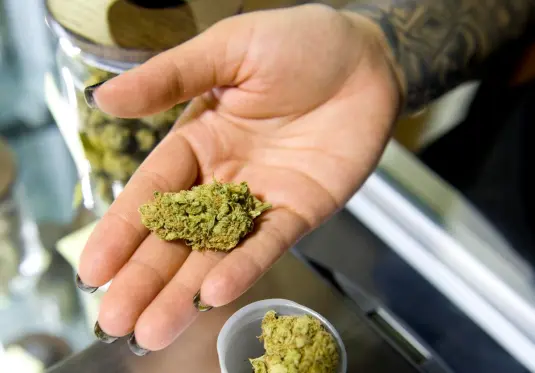
WHAT IS BUBBLE HASH AND HOW IS IT MADE? EVERYTHING YOU NEED TO KNOW 

Are you curious about different ways to enjoy cannabis? Bubble hash is a potent, pure form of cannabis concentrate that’s been gaining attention. This post will guide you through what bubble hash is, and the simple art of making it using ice water extraction. 

Dive in for an eye-opening discovery! 

What is Bubble Hash? 

Bubble hash is a type of cannabis concentrate that is made using a solventless extraction method. It consists of the resin glands or trichomes from the cannabis plant, and it is produced through an ice water extraction process. 

Best Buy Link is Here :- Bulkweedbc.cc

Definition 

Bubble hash is a potent concentrate made from cannabis plants. Crafted using an ice water extraction method, it separates trichomes—the tiny, crystal-like resin glands packed with cannabinoids and terpenes—from the plant material. 

Unlike other types of hashish that may use solvents in their creation process, bubble hash stands out as a solventless extraction. This means it’s purer and often considered higher quality because it doesn’t contain any residual chemicals. 

This form of hash gets its name from the way it bubbles when exposed to heat. It is popular among marijuana enthusiasts who prefer a strong product without the use of harsh chemicals like butane or CO2 commonly found in other concentrates such as shatter or wax. 

The grade of bubble hash varies, indicating its purity and potency; the highest grades almost entirely melt into a liquid when heated, which is especially ideal for dabbing. 

Process of making bubble hash 

Bubble hash is made using ice water and agitation to separate the trichomes from the cannabis plant material. This process involves several steps: 

  1. First, cannabis plant material is placed in a mesh bag or filter. 
  1. Ice – cold water is added to the container with the plant material, and it is agitated for a specific amount of time. 
  1. The cold water helps to freeze the trichomes, making them brittle and easier to break off. 
  1. After agitation, the mixture is filtered through increasingly fine screens to separate the trichomes from the plant material. 
  1. The collected trichomes are then dried and pressed into a dense mass, resulting in bubble hash. 
  1. Once dried, bubble hash can be consumed on its own or further processed into other products such as rosin. 
  1. The end product is graded based on its purity and quality, with higher grades being more sought after by cannabis consumers. 

The Popularity of Bubble Hash 

Bubble hash is gaining popularity for its potency and purity, as well as its versatility in consumption methods. It offers a cleaner and more flavorful experience compared to traditional hash. 

Benefits and uses 

Bubble hash, known for its potent and pure form of cannabis concentrate, offers versatile consumption methods. Users can sprinkle it in a joint or pipe, mix it with flower when rolling a joint, or vaporize it. 

Additionally, bubble hash can be used to create edibles, tinctures, and topicals for those seeking alternative consumption methods. Its versatility makes it an attractive option for both recreational and medicinal users looking to experience the full spectrum of cannabinoids. 

The fine texture of bubble hash makes it ideal for melting into rosin or pressing into traditional hash cakes. This allows consumers to enjoy the benefits of different cannabis strains while customizing their preferred method of ingestion. 

Differences from traditional hash 

Recognizing the benefits and uses of bubble hash naturally leads us to consider how it stands apart from traditional hash. These differences are not just in terms of potency and flavor, but also in production and texture. 

Bubble Hash Traditional Hash 
Made using ice water extraction method. Often made through dry sifting or pressing resin glands. 
Typically lighter in color, sometimes golden or blonde. Can range in color from light brown to black, depending on the method. 
Texture can vary from paste-like to more solid, depending on purity and drying time. Usually has a dense and malleable texture. 
Utilizes multiple bags or screens to separate trichomes by size. Often utilizes a single screen or is hand-pressed, leading to less purity grading. 
Considered one of the purest forms due to the exclusion of plant materials. May contain more plant material, affecting taste and smoothness. 
Requires no solvents, making it a solventless concentrate. Some traditional methods involve using heat or solvents. 
Typically consumed at lower temperatures for a smoother experience. Can be smoked or added to joints at various temperatures. 

Conclusion 

In conclusion, bubble hash is a potent cannabis concentrate made by extracting resin from the plant using ice water and agitation. This process results in high-quality kief that can be further processed into different grades of bubble hash. 

The popularity of bubble hash continues to grow due to its purity, potency, and versatility in various consumption methods. Its unique production method sets it apart from traditional forms of hash, making it a sought-after choice for many cannabis enthusiasts. 

Thomas L. Kerr

 brian@intltaxcounselors.com  

Related Post

Learn The Truth about Smoking Weed vs Edibles EffectsLearn The Truth about Smoking Weed vs Edibles Effects

Weed is legal in some states in the United States of America, and other countries in the world. In some, it is legal for research and medicinal purposes and in others, recreational purposes are included. Due to this legalization, various people have a preference on how to consume it. Some prefer taking it by smoking weed while others in edibles. Whichever method you choose you will experience your desired high feeling. 

This articles will focus on smoking weed vs edibles effects 

Smoking weed Effects 

Weed inhaled using various formats. It is smoked using pre-rolled joints and blunts or through bongs and pipes. Either form you choose, will lead to the same smoking weed effects, they include: 

Active compounds enter your bloodstream and your lungs 

When you smoke weed through your mouth, you inhale smoke through your gas pipe into the lungs. Inhaled air containing active weed compounds such as Tetrahydrocannabinol (THC) and cannabidiol (CBD) is absorbed into the bloodstream through capillaries found in airbags. The active compounds are then transported all over your body, brain too via your blood. 

Immediate Reaction 

Weeds’ active compounds THC and CBD enter your brain through your bloodstream. THC compound is the most active of all the weed compounds. THC interacts with the CB1 receptor in the endocannabinoid system, triggering a sensation of the euphoria associated with the ‘high’ feeling. This result takes effect in 1minute-2 hours of smoking weed depending on your tolerance. 

Other compounds like CBD come into play too. CBD combines with the weak receptor found in the endocannabinoid system to active stimuli for relieving pain, fighting depression, anxiety among other issues. 

Edibles Effects 

Digestion, metabolized, and absorption process 

Weed is consumed through edibles such as brownies, chewable, cookies, etc. Edibles are consumed through the mouth into the esophagus and in the digestive tract to the stomach. Active weed compounds are then digested and then metabolized by your liver. THC, the most active compound in weed is chemically broken down to 11-hydroxy, a stronger and more durable compound than the original THC. 11-hydroxy THC compound absorbed into the bloodstream as a nutrient. It is transported to all parts and finally reaches the brain. It combines with the CB1 receptor, sending stimuli of the “high” feeling.  

Stronger and longer effects 

Due to the digestion, metabolization, and absorption process, it takes longer for the THC compound in the edibles to reach the brain, so the ‘high’ feeling takes longer to appear too. However, the effects of this compound stay longer in the body of a consumer and are relatively stronger. 

In conclusion, both smoking weed and using edibles have effects, and the choice of preference depends utterly on you. If you are a first-timer, it is advisable to start with low doses of each method of weed consumption. 


Thomas L. Kerr


 brian@intltaxcounselors.com


THE EVOLVING WASHINGTON DC CANNABIS MARKET: LEGALIZATION, LEGISLATION, AND BUSINESS OPPORTUNITIES THE EVOLVING WASHINGTON DC CANNABIS MARKET: LEGALIZATION, LEGISLATION, AND BUSINESS OPPORTUNITIES 

Many people wonder how Washington, D.C., fits into the changing world of cannabis. The capital has seen significant shifts from medical marijuana to recreational acceptance. This article outlines what you must know about the laws and money-making opportunities in D.C.’s cannabis scene. 

Keep reading; there’s much to uncover! 

The Legalization and Legalization of Cannabis in Washington, D. C. 

From medical use to recreational use, Washington, D.C., has seen significant changes in its cannabis laws. Decriminalization and legalization laws have sparked support and opposition, leading to ongoing debates and protests within the city. 

From medical use to recreational use 

Washington, D.C., initially embraced cannabis for its medicinal properties, recognizing it as a treatment option for various ailments. Patients with prescriptions could access the drug legally, leading to the establishment of regulated dispensaries across the district. 

This medical program laid the groundwork for broader acceptance and set in motion conversations about adult-use cannabis. 

The shift towards recreational use became a hot topic as attitudes toward marijuana legislation softened nationally. Advocates pushed for change, citing the benefits seen in states that had already made the switch to legalizing recreational weed

After much debate and consideration of potential regulatory changes, steps were taken to allow adults in Washington, D.C., to possess and use cannabis without medical justification, giving rise to new business opportunities within the evolving cannabis market. 

Decriminalization and legalization laws 

Moving from medical use to recreational use has led to the implementation of decriminalization and legalization laws in Washington, D.C. These laws have transformed the landscape of cannabis consumption and distribution, paving the way for legal adult-use cannabis. 

The shift towards decriminalization has alleviated penalties for possession, while legalization has opened doors for regulated sales and taxation. 

Legislation surrounding decriminalization and legalization has significantly changed how cannabis is perceived, distributed, and consumed in Washington, D.C. The impact on local communities and businesses cannot be overstated, as these laws continue to shape the evolving market dynamics. 

Opposition and protests 

Opposition to the legalization and legislation of cannabis in Washington, D.C., has been voiced by certain groups concerned about the potential impact on public health and safety. Protests have emerged from organizations advocating for strict regulations or complete prohibition of recreational marijuana use. 

These opposing voices are an important part of the ongoing conversation surrounding the cannabis industry’s growth in the region. They highlight key issues that policymakers must consider as they navigate this evolving landscape. 

As business opportunities continue to expand within the D.C. cannabis market, opposition movements play a crucial role in shaping regulations and policies, ensuring that all concerns are addressed adequately while maximizing the potential benefits of this burgeoning industry. 

Business Opportunities in the Evolving DC Cannabis Market 

The evolving D.C. cannabis market presents challenges and opportunities for businesses looking to capitalize on the growing industry. The Safe Cannabis Sales Act of 2019 has the potential to significantly impact the market, creating new avenues for growth and expansion within the cannabis business sector. 

Impacts on the local economy 

The legalization of adult-use cannabis in Washington, D.C., has had significant impacts on the local economy, leading to the creation of new jobs and business opportunities. With the emergence of retail cannabis stores and related services, tax revenue for the city has increased, contributing to economic growth and development. 

Additionally, the Safe Cannabis Sales Act of 2019 aims to regulate legal sales and reduce the influence of the grey market, providing a framework for sustainable economic benefits from legalized cannabis. 

As we delve into how these changes have influenced business opportunities within the evolving D.C. cannabis market. 

Challenges and opportunities for cannabis businesses 

Navigating the evolving Washington D.C. cannabis market presents challenges and business opportunities. Regulatory compliance, including licensing and taxation, represents a significant hurdle for entrepreneurs entering the industry. 

Additionally, access to banking services and financial institutions remains limited due to federal regulations on cannabis. However, amidst these challenges lie promising opportunities for growth and innovation within the market. 

Cannabis businesses can capitalize on the growing demand for diverse products such as edibles, topicals, and concentrates. Furthermore, strategic partnerships with local dispensaries and delivery services offer avenues for expansion across the metropolitan area. 

Safe Cannabis Sales Act of 2019 and its potential effects on the market 

The Safe Cannabis Sales Act of 2019 aims to regulate the sale of cannabis in Washington, D.C. This legislation sets strict guidelines for the packaging, labelling, and testing cannabis products to ensure consumer safety and quality. 

It also outlines retail sales, taxation, and licensing rules to create a legal framework for the emerging cannabis market. 

By implementing the Safe Cannabis Sales Act of 2019, the local government hopes to establish a transparent and responsible adult-use cannabis industry while addressing public health concerns. 

Conclusion 

In conclusion, the Washington, D.C., cannabis market continues to evolve with the shift from medical to recreational use. The landscape is shaped by decriminalization and ongoing legislative changes. 

Local businesses face challenges but also have opportunities for growth in the expanding industry. The Safe Cannabis Sales Act of 2019 could further impact the market, making it an exciting time for those involved in the industry. 

Thomas L. Kerr

 brian@intltaxcounselors.com  

UNDERSTANDING THC-A: BENEFITS, RISKS, AND ITS TRANSFORMATION TO THC UNDERSTANDING THC-A: BENEFITS, RISKS, AND ITS TRANSFORMATION TO THC 

Many people feel confused about how thc-a works in cannabis and its effects. Best THCA Small Buds is full of thc-a, which is a nonintoxicating cannabinoid. This blog will explain what thc-a is, cover its health benefits and risks, and show how it changes into psychoactive THC through decarboxylation. 

Key Takeaways 

  • THC-A is a nonintoxicating cannabinoid found in raw cannabis with the chemical formula C22H30O4. 
  • THC-A may help with inflammation, pain relief, and nausea, and research suggests it could protect brain health by reducing oxidative stress. 
  • Decarboxylation happens when you heat cannabis through smoking or cooking, turning THC-A into psychoactive THC that produces a “high.” 
  • Using products high in THC can cause side effects like anxiety or paranoia, especially at higher doses or for people with certain health conditions. 
  • Lab-tested cannabis products are important to avoid contamination and ensure safe use, whether seeking medical benefits or recreational effects. 

The Basics of THCA 

Cannabinoids are fascinating compounds in the cannabis plant. THCA, or tetrahydrocannabinolic acid, stands out as a nonintoxicating precursor to THC. 

Chemical composition and structure 

Tetrahydrocannabinolic acid, or THCA, has a unique chemical structure. It is a nonintoxicating cannabinoid found in raw cannabis and hemp plants. The molecular formula for THCA is C22H30O4. 

This composition includes 22 carbon atoms, 30 hydrogen atoms, and four oxygen atoms. Its structure makes it different from THC, the psychoactive counterpart that many people know. 

THCA exists as an acidic precursor to THC. When cannabis undergoes decarboxylation—like when heated—it transforms into THC. This process releases carbon dioxide and changes the chemical properties of the compound. 

As a result, users experience different effects depending on whether they consume raw cannabis or products high in THC. 

Understanding the chemistry of cannabinoids can lead to better choices in health and wellness. 

Potential health benefits 

THC-A offers various potential health benefits. Some studies suggest it may help with inflammation, pain relief, and nausea. This nonintoxicating cannabinoid interacts with the body’s endocannabinoid system in unique ways. 

Medical marijuana often includes THC-A for patients seeking relief without psychoactive effects. Users might find comfort from conditions like arthritis or chronic pain through its use. 

Research also indicates that THC-A may have neuroprotective properties. It could support brain health and promote overall wellness by reducing oxidative stress. Many enthusiasts of cannabis appreciate these benefits without experiencing a “high.” Lab-tested products ensure users receive quality and safe options. 

The next section explores how this compound transforms into THC through decarboxylation processes. 

The Transformation of THCA to THC 

The transformation of THCA to THC occurs through a process called decarboxylation. This change can happen when you heat the cannabis, making it psychoactive and altering its effects on the body. 

How it happens 

THC-A transforms into THC through a process called decarboxylation. This change occurs mainly when heat is applied. 

  1. Heat activates the chemical change in THCA. Raw cannabis contains THCA, which is nonintoxicating and does not produce psychoactive effects. 
  1. During smoking or cooking, warmth triggers this transformation. Cooking cannabis at high temperatures alters its structure. 
  1. As temperature rises, carbon dioxide (CO2) evaporates from the THCA. This loss of CO2 makes THC available for use. 
  1. Lab-tested products confirm that decarboxylated cannabis delivers heightened effects. Consumers often seek these activated cannabinoids for their benefits. 
  1. Understanding this process can enhance product selection for health benefits and recreational enjoyment. Knowing how THCA turns to THC means better choices in cannabis products. 
  1. Potential risks arise during decarboxylation if temperatures are too high. Overheating can damage cannabinoids and reduce effectiveness. 
  1. Individuals should pay attention to consuming properly prepared cannabis for optimal results. Careful preparation ensures users experience the full range of health benefits without unwanted side effects. 

Potential risks and dangers 

THC-A can transform into THC through a process called decarboxylation. This occurs when heat applies to raw cannabis. When this happens, users experience the psychoactive effects associated with THC. 

Some may find these effects desirable, but they also present potential risks and dangers to consider. 

Not everyone reacts well to THC. It can cause anxiety or paranoia for some individuals, especially in higher doses. People with certain medical conditions might also face increased risks when using products that contain THC. 

Additionally, using cannabis without proper lab testing raises concerns about contamination. Consumers should approach cannabis use carefully and stay informed about its health benefits alongside its possible dangers. 

FAQs 

1. What is THC-A and how does it relate to cannabis? 

THC-A, or tetrahydrocannabinolic acid, is a cannabinoid found in raw cannabis and hemp. It acts as the nonintoxicating precursor to THC. 

2. How does THC-A transform into psychoactive THC? 

Through decarboxylation, heat changes THC-A into tetrahydrocannabinol (THC). This process makes the compound psychoactive. 

3. Are there health benefits linked to consuming THC-A? 

Research suggests possible health benefits from cannabinoids like THC-A in raw cannabis. These may include anti-inflammatory effects and neuroprotection; however, more lab-tested studies are needed. 

4. Is consuming THC-A risky compared to using psychoactive compounds like regular THC? 

THC-A itself is nonintoxicating and carries fewer risks than psychoactive forms of cannabis; yet some risks can arise if it transforms into active tetrahydrocannabinol through heating. 

5. Why do people choose products with lab-tested levels of cannabinoids such as THCA or regular tetrahydrocannabinol? 

Lab testing ensures accurate measurement of cannabinoid content in hemp or other cannabis products; this helps users understand both potential benefits and risks before use. 

Thomas L. Kerr

 brian@intltaxcounselors.com