REASONS FOR THE POPULARITY OF MAGIC MUSHROOMS IN CANADA 

Psilocybin mushrooms, commonly called magic mushrooms, are fungi with constituents of psychoactive compounds such as psilocybin. They are known for their hallucinogenic effects that can cause altered states of consciousness, visual and auditory hallucinations, and intense emotional experiences.

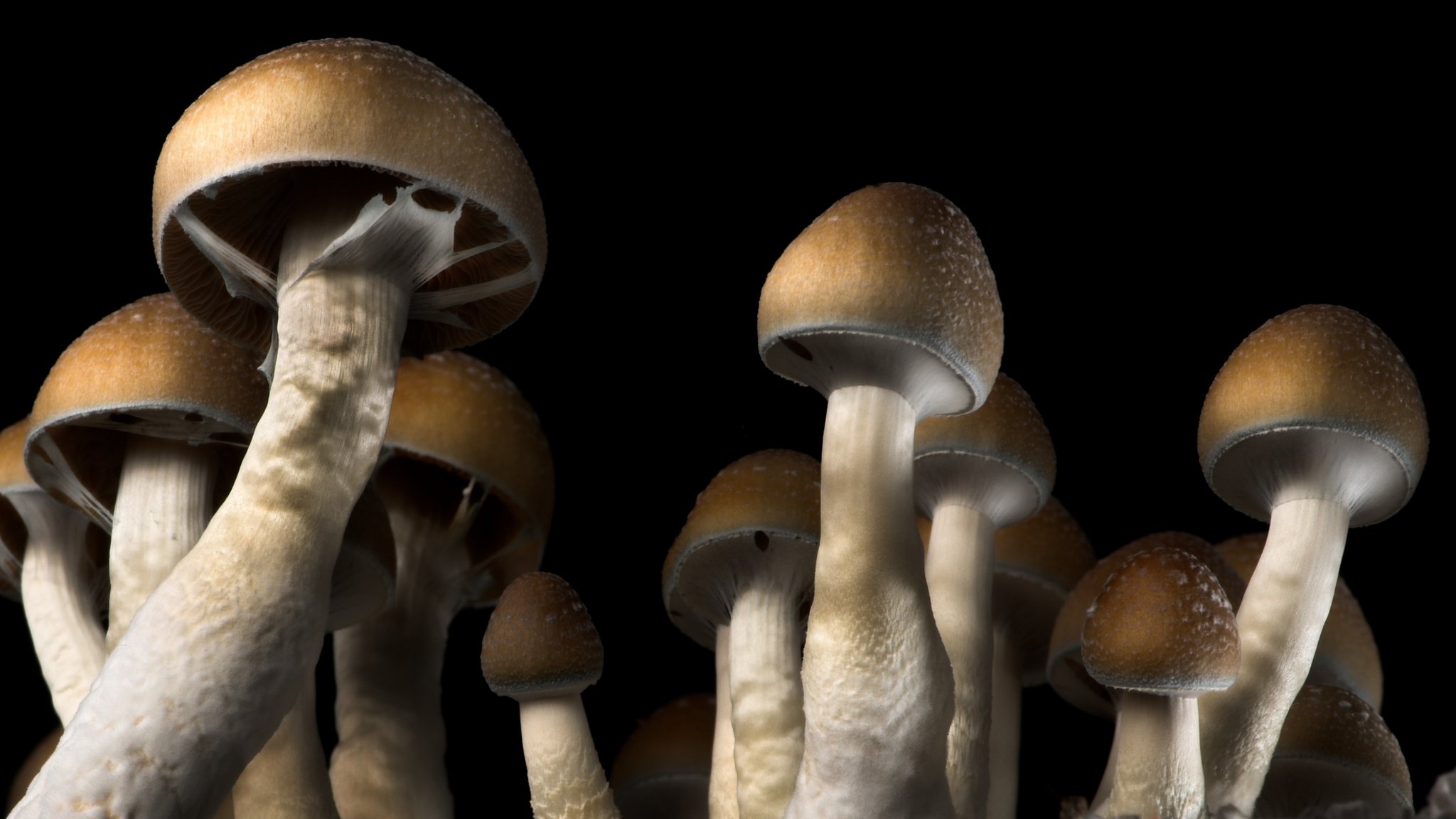
They typically have a cap and stem ranging from beige to brown and can grow in damp, forested areas worldwide.

When one consumes a magic mushroom, psilocybin changes to psilocin inside an individual’s body. Then this psilocin attaches itself to serotonin receptors in an individual’s brain, leading to changes in perception, mood, and thought processes lasting 4-6 hours.

They are generally considered safe in moderation but have potential risks and side effects such as nausea, anxiety, and paranoia.

Psilocybin mushrooms have been gaining popularity in Canada in recent years. Mushrooms have become more common in the country, with people using them for various reasons, including recreational and medicinal purposes. Here are some of the reasons for the popularity of magic mushrooms in Canada:

The decriminalization of magic mushrooms in some cities

Several Canadian cities, including Vancouver, have made the possession and consumption of mushrooms legal. This action has increased the use of substances among Canadians. Decriminalization means that people can own and consume magic mushrooms without fear of legal consequences.

The change in law has paved the way for the substance to be used for medicinal, therapeutic, and recreational purposes.

The rise of micro-dosing

Micro dosing entails taking small amounts of mushrooms over time. This practice is becoming more popular among Canadians, who use it to improve their creativity, productivity, and well-being.
Many people prefer magic mushrooms’ natural and holistic approach, so micro-dosing has become a popular alternative to traditional pharmaceuticals.

The medical benefits

They contain psilocybin, a naturally occurring psychoactive compound. Studies have shown that psilocybin can treat depression, anxiety, and addiction. These studies, in turn, have led to an increase in the use for medicinal purposes, with many people using the substance to alleviate their mental health issues.

The Cultural Shift

Canada has had a cultural shift regarding the use of magic mushrooms. As more people become aware of the potential benefits of the substance, the stigma associated with its use has decreased.
This cultural shift has led to more people using magic mushrooms openly and without fear of judgment. It has also contributed to the growing popularity of the substance.

The Increase in Availability

They are now more readily available in Canada than ever before. This convenience is partly due to the decriminalization of the substance in some cities, making it easier for people to access them. Additionally, there has been an increase in online retailers selling them, making it easier for Canadians to purchase the substance.

Conclusion

Magic mushrooms have become increasingly popular in Canada for a variety of reasons. As more research is conducted on the substance, its popularity will likely grow. However, it is essential to use them responsibly and under the guidance of a healthcare professional.

Thomas L. Kerr

 brian@intltaxcounselors.com  

Related Post

MICRO-DOSING MAGIC MUSHROOMS AS A HEALTH REMEDYMICRO-DOSING MAGIC MUSHROOMS AS A HEALTH REMEDY

Micro-dosing involves taking a measured quantity of a substance, such as psilocybin. These small doses should not cause notable changes in the consciousness of an individual. 

Being classified as a Schedule I drug shows that psilocybin carries a high potential for abuse. Currently, it has no formal recognition for medicinal use. At present, researchers vouch for reclassification of psilocybin from a Schedule I drug to a Schedule IV drug to allow for therapeutic use.  

Unlike marijuana which is getting legalization support and recognition for health uses at present, psilocybin is still regarded as unsafe and illegal.  

While it is yet to receive approval, psilocybin has budding therapeutic benefits meant for handling behavioral and psychological disorders. Studies propose that psilocybin can be used to alleviate cancer-related psychiatric distress, depression, substance use disorders, and anxiety. 

What are the benefits of micro-dosing magic mushrooms? 

Psilocybin activates serotonin receptors, often in the prefrontal cortex – the part of the brain that processes perception and mood. The practice of micro-dosing magic mushrooms that involves ingesting small amounts of the psychedelic compound may produce positive effects for the following; 

  • Psilocybin micro-dosing as a treatment for depression 

Depression is a majorly researched symptom for psilocybin micro-dosing therapy.  

Studies examine the ability of psilocybin to reduce depression symptoms without dampening emotions while assessing any positive therapy effects. Deliberations are ongoing about whether psychotherapists may perform psilocybin micro-dosing as a remedy for depression. 

Page Break 

  • Cessation of drug addictions 

In several analyses, researchers established that psilocybin therapy improved smoking abstinence significantly. If successful, psilocybin could potentially treat other substance use disorders, for instance, alcohol, heroin, and cocaine addiction. 

  • Cancer-related mental distress and anxiety 

There are promising results on psilocybin treatment for depression and anxiety in people diagnosed with cancer. 

A randomized test found that a single dose of psilocybin reduced depression and anxiety in people with cancer considerably improving their quality of life. 

Summary 

Supporters say that micro-dosing psilocybin may improve mental health, provide cognitive and social benefits, improve mood, body functioning, and productivity throughout the day. However, the psychoactive substance is still illegal and requires extensive research. 

We should know that micro-dosing is not for all and sundry. There are some risks associated with micro-dosing such as low energy, reduced focus, and the fact that these substances are illegal. 

Psilocybin is highly potent than cannabis. People who have had an episode of psychosis, mania, or manic ought not to replace their treatment with psilocybin micro-dosing because it can trigger another psychosis or manic episode. 

Despite promising research, it is unknown when or whether psilocybin will ever be approved. If it happens so, it must only be administered in a clinic by trained and certified psychotherapists.  

Magic mushroom online :- https://www.shroomhub.io

Thomas L. Kerr


 brian@intltaxcounselors.com


MICRODOSING MAGIC: A NEW ERA OF PSYCHEDELIC WELLNESS WITH MUSHROOMS MICRODOSING MAGIC: A NEW ERA OF PSYCHEDELIC WELLNESS WITH MUSHROOMS 

Feeling stressed or down can be challenging. Many find relief with tiny doses of psilocybin mushrooms, a practice called microdosing. Our guide will show you how these small amounts are making big waves in wellness. 

Keep reading – it’s fascinating! 

What is Microdosing of Psychedelics? 

Microdosing of psychedelics involves taking a sub-perceptual dose of a hallucinogenic substance, such as mushrooms, to experience potential mental health benefits without the full psychedelic effects. 

This practice has gained popularity for its potential therapeutic effects and is being studied in clinical trials for various mental health conditions. 

Definition 

Microdosing involves taking sub-perceptual doses of psychedelic substances, which means the amount is too small to cause full-blown hallucinations but can affect mood and cognition. 

Think of it as sipping on a cup of coffee rather than downing several espresso shots; you’re not overwhelmingly buzzed, just pleasantly alert. Psychedelic wellness taps into this concept by using minuscule amounts of natural hallucinogens like psilocybin, found in certain mushrooms, aiming for subtle improvements in mental health without disruptive side effects. 

Users often report enhancement in creativity, focus, and emotional balance from these tiny doses. This practice has gained traction among those seeking alternative medicine paths for anxiety and depression treatment or simply hoping for spiritual healing or self-exploration. 

Unlike therapeutic psychedelic medicines used at higher dosages under clinical trial conditions for severe cases, microdosing aims at being part of daily life without impairing normal functioning. 

It’s a bridge between mycology and psychedelics that promises mind-altering insights with a gentle touch. 

Popularity 

Microdosing of psychedelics, particularly with mushrooms containing psilocybin, has surged in popularity among individuals seeking alternative mental health treatments. The growing interest in microdosing can be attributed to its potential therapeutic benefits, such as mood improvement and self-exploration. 

Online communities and social media platforms have also played a pivotal role in popularizing microdosing by sharing personal experiences and anecdotal evidence of its positive effects on mental well-being. 

Furthermore, the increasing attention from researchers and mycologists has contributed to the endorsement of microdosing as a promising avenue for exploring the therapeutic properties of psychedelic substances. 

Safety 

When microdosing with psychedelics such as psilocybin, it’s crucial to prioritize safety. Before starting a micro-dosing regimen, please consult a healthcare professional to ensure it aligns with your overall health and any existing medications. 

Also, source your mushrooms from reputable suppliers, prioritizing quality and purity in their products. Remember to start with low doses and monitor yourself closely for any adverse effects or unexpected reactions. 

To mitigate potential risks, always microdose in a comfortable and safe environment, especially if it’s your first time experimenting with psychedelics. Monitor your mental state throughout the process and be mindful of any changes in mood or cognition. 

Benefits and Challenges of Microdosing Psychedelics 

Microdosing psychedelics has been shown to have potential physical and mental health benefits, including reduced symptoms of depression and anxiety. However, there are also potential risks and challenges associated with microdosing, which current research and studies are exploring. 

Physical and mental health benefits 

Microdosing with psychedelic substances like mushrooms has shown promising physical and mental health benefits. Research suggests that microdosing may alleviate symptoms of depression, anxiety, and PTSD, leading to improved mood and overall well-being. 

Furthermore, individuals report increased creativity, focus, and mindfulness and reduced stress levels when incorporating microdosing into their wellness routines. 

Psychedelic therapy using sub-perceptual doses of psilocybin has demonstrated the potential to enhance emotional resilience and promote self-exploration. Studies indicate that microdosing magic can revolutionize therapeutic medicine for those seeking alternative options for holistic healing. 

Potential risks and challenges 

Potential risks and challenges associated with microdosing psychedelics include the possibility of experiencing increased anxiety or paranoia, especially in individuals with a history of mental health issues. 

Additionally, there is a risk of adverse reactions when combining microdosing with certain medications or substances, emphasizing the importance of consulting a healthcare professional before starting any regimen. 

It’s also crucial to be mindful of the legal implications surrounding psychedelic substances, as their use may not be permitted in all jurisdictions. 

Furthermore, users should be aware that individual responses to microdosing can vary widely, and some people may have unexpected experiences that could interfere with daily activities. 

Current research and studies on microdosing 

Recent research and studies on microdosing with psychedelics show promising results in treating depression and anxiety. Clinical trials using sub-perceptual doses of psilocybin, the active compound in magic mushrooms, have reported improved mood and reduced symptoms of these mental health conditions. 

Studies also indicate potential benefits for enhancing creativity, cognitive function, and emotional well-being through microdosing. 

Furthermore, ongoing research is exploring the long-term effects of microdosing psychedelics to understand its safety profile and therapeutic potential better. This includes investigating the mechanisms behind the observed benefits and evaluating different dosing regimens for optimized outcomes. 

Conclusion 

In conclusion, microdosing psychedelics presents a promising avenue for wellness and self-exploration. Research indicates potential mental health benefits, yet challenges and risks remain. 

As interest grows in psychedelic therapy, ongoing studies seek to uncover the full scope of this mind-altering practice. 

Thomas L. Kerr

 brian@intltaxcounselors.com  

THE FUTURE OF PSILOCYBIN: A PATH TOWARDS MAINSTREAM ACCEPTANCE THE FUTURE OF PSILOCYBIN: A PATH TOWARDS MAINSTREAM ACCEPTANCE 

  1. The Shifting Legal Landscape

The legal landscape surrounding psilocybin is evolving rapidly, driven by a greater understanding of the compound’s potential therapeutic benefits 99 $ Ounce Online. Traditionally seen as a Schedule-1 substance under U.S. federal law, implying the high potential for abuse and no recognized medical use, psilocybin is experiencing a sea change in its classification in various jurisdictions.

At the city and state levels in the United States, some jurisdictions, like Denver, Colorado, and Santa Cruz, California, have decriminalized psilocybin. In 2020, Oregon passed Measure 109, becoming the first state to permit regulated medical use of psilocybin. Advocacy groups in other states are seeking similar reforms, indicating an emerging shift in public sentiment.

  1. Integration into Mental Health Care

With the increasing recognition of psilocybin’s potential to treat conditions like depression, addiction, and anxiety, the mental health community is showing a heightened interest in this natural compound. While still in the early stages, the future could see psilocybin becoming a staple in certain therapeutic practices.

Psychedelic-assisted therapy, which includes using substances like psilocybin under the guidance of trained professionals, is becoming an emerging field of mental health treatment. In this setting, psilocybin is a catalyst to enhance the therapeutic process, helping patients gain new perspectives and insights. These unconventional methods could revolutionize mental health care, particularly for patients who have not responded to traditional treatments.

  1. Psilocybin in Scientific Research

The scientific interest in psilocybin is steadily growing, with researchers around the globe conducting studies to understand better its effects and potential uses. Much of the initial focus has been on its efficacy in treating mental health conditions. Still, studies explore other potential benefits, such as enhancing creativity and promoting personal growth.

Future research will undoubtedly focus on optimizing dosages, minimizing potential risks, and determining the best therapeutic contexts for psilocybin use. With increased funding and a growing acceptance of psychedelic substances in scientific circles, psilocybin is set to be an exciting area of study in the coming years.

  1. Educational and Cultural Shifts

Beyond law, healthcare, and science, broader societal attitudes toward psilocybin are also changing. As public education about the substance improves, the cultural stigma associated with its use diminishes. Psychedelic societies and grassroots organizations are increasing, often offering safe spaces for individuals to share their experiences and learn from each other.

Moreover, as the potential benefits of psilocybin become more widely recognized, we can expect to see its depiction in media and widespread culture shift as well. The image of psilocybin as a recreational drug of the counter-culture could be replaced with a portrayal of a therapeutic tool with the power to transform lives.

In conclusion, the future of psilocybin looks bright. Although there are many hurdles to overcome, the ongoing research, evolving legal status, and changing societal attitudes suggest that psilocybin is on a path toward mainstream acceptance. Once stigmatized and largely misunderstood, this naturally occurring compound could soon become a significant player in mental health treatment, scientific research, and our cultural landscape.

Thomas L. Kerr

 brian@intltaxcounselors.com