THINGS YOU NEED TO KNOW ABOUT MICRO-DOSING MAGIC MUSHROOM

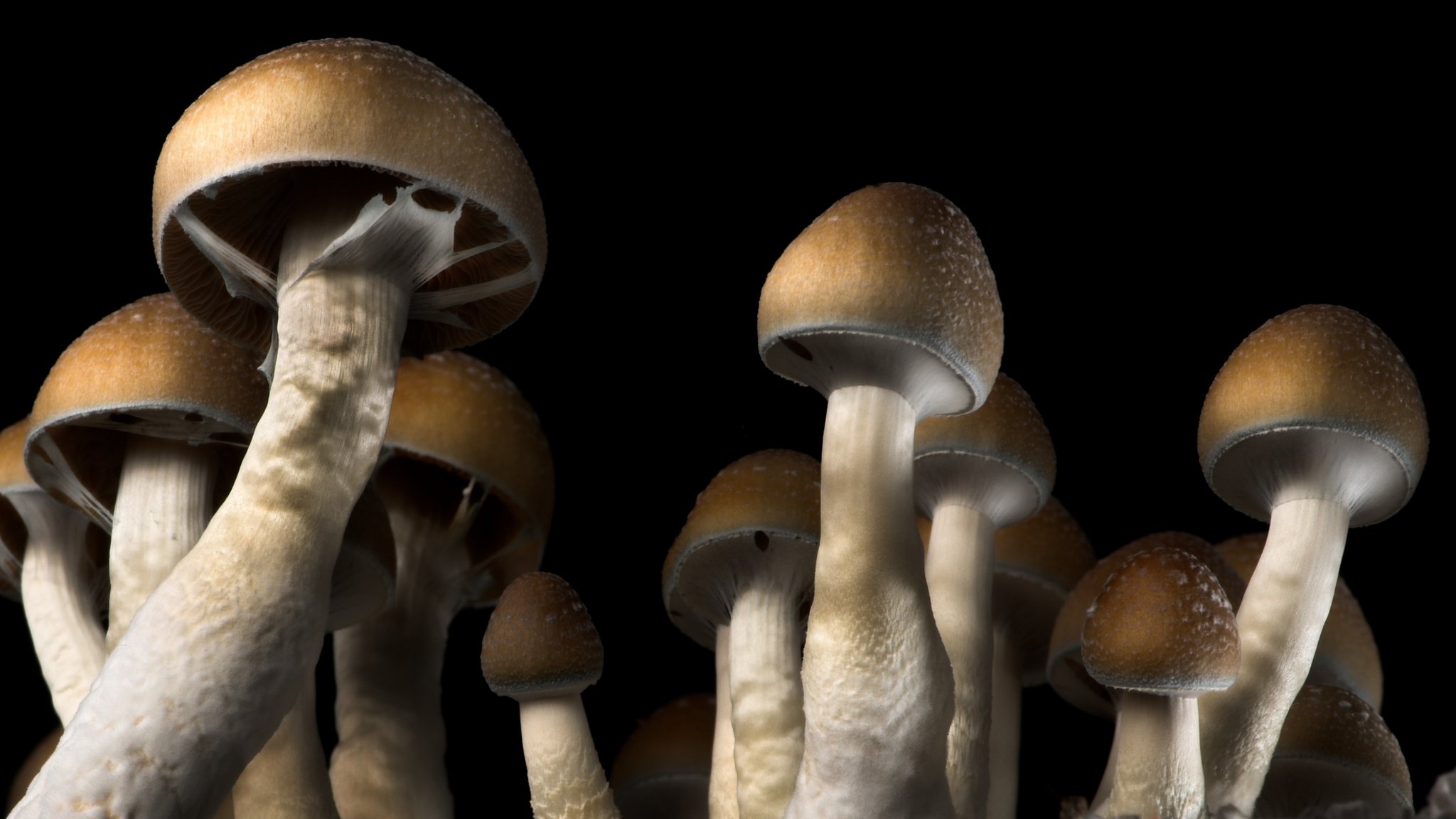
Magic mushroom is one of the fungi that have been making an impact in the field of medicine. It contains a naturally occurring extract called psilocybin, a psychoactive ingredient. In previous years, people have been consuming doses of psilocybin with adverse side effects, including hallucination, which resulted in it being classified as a drug of abuse. However, Micro-dosing Magic Mushroom psilocybin has made doctors dispute this.

What is Micro-dosing?

Scientifically, the dosage is classified as overdosing, dosing, under-dosing, micro-dosing, etcetera. Micro-dosing is the consumption of tiny quantities of psychedelic drugs, and Micro-dosing can only amount to up to 10% of the total dose. It ranges from 100 to 300 milligrams of dried magic mushrooms about two to five times a week. 

What Can Micro-Dosing Do?

After a long time of considering psilocybin as a drug of abuse, scientists opted to research to find out if there could be other ways psilocybin could be helpful. Research on those dosing was drawn to the conclusion that it had adverse effects. They also did a trial on the individuals and those not using it. The situation of those dosing with psilocybin worsened than those who did not use any.

Another approach was derived from Micro-dosing Magic mushrooms. It involved using minimal quantities on people with depression, anxiety, and mental disorders. After observing them for some time, they noticed many changes with huge improvements compared to those who did not take the dosage.

They showed signs of stability mentally, almost non-depressed with no anxiety. It drove them to the conclusion that the micro-dosing was more effective.

What Are The Variations in micro-Dosing?

Micro-dosing was done on individuals of both genders, and the results were varied. There were unique observations in females compared to males. The Micro-dosing Magic Mushroom was more effective in females than males under the exact dose size, and the results indicated that it works better with females than males. 

How Is Micro Dosing Effective?

The magic mushroom proved to be effective with reduced dose sizes. It should be considered when dealing with depression and other mental disorders. However, the dosing should not be frequent to avoid harming the depressed. If you live in Quebec and are looking for some micro dosing products you can Find Magic Mushrooms in Montreal Here 

It is best to seek medical advice before opting to consume magic mushrooms. Also, they should make strict observations of the depressed by monitoring their progress, which will help to determine whether it impacts positively or negatively.

Conclusion

Magic mushrooms can treat depression when correctly micro-dosed under strict observations.

Thomas L. Kerr

 brian@intltaxcounselors.com  

Related Post

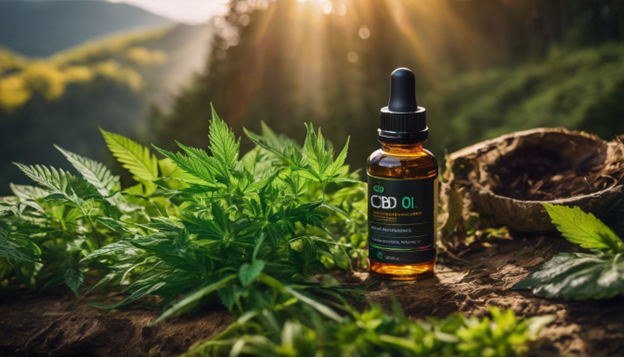
THE SURPRISING HEALTH BENEFITS OF CBD: WHAT YOU NEED TO KNOW THE SURPRISING HEALTH BENEFITS OF CBD: WHAT YOU NEED TO KNOW 

Struggling with pain or anxiety is tough. CBD, short for cannabidiol, might have solutions for these issues. This blog will show you how CBD could improve your health in ways you didn’t expect. 

Could you keep reading to unlock its secrets? 

Potential Health Benefits of CBD 

CBD may relieve pain, reduce symptoms of mental health disorders, alleviate cancer-related symptoms, have neuroprotective properties, benefit heart health, and potentially offer other various benefits Zen Bliss Delta 8

May relieve pain 

CBD oil is gaining popularity for its pain-relieving properties. Many people turn to it as an alternative to traditional painkillers because of its natural origin and potential lack of intoxicating effects. 

Research suggests that CBD cannabinoids can interact with receptors in the brain and immune system, possibly reducing inflammation and alleviating pain. 

Individuals suffering from chronic conditions like arthritis and multiple sclerosis have reported significant relief after using CBD products. Unlike some prescription medications, CBD does not typically cause severe side effects, making it an appealing option for long-term use. 

It might offer new hope for those who struggle with persistent discomfort and are seeking non-psychoactive means of managing their symptoms. 

Could reduce symptoms of mental health disorders 

CBD shows promise in reducing symptoms of various mental health disorders. Research suggests that CBD may help alleviate symptoms associated with anxiety, depression, and post-traumatic stress disorder (PTSD). 

CBD is believed to interact with serotonin receptors in the brain, which can impact mood and emotional responses. Additionally, CBD’s anti-inflammatory properties could reduce symptoms related to these disorders. 

The potential of CBD as a natural remedy for mental health issues has sparked interest among researchers and individuals seeking alternative treatments. While more studies are needed to understand how CBD affects mental health entirely, preliminary findings indicate its potential to offer relief without the psychoactive effects commonly associated with cannabis products. 

Alleviate cancer-related symptoms 

Transitioning from mental health to physical health, CBD shows promise in alleviating cancer-related symptoms. Research suggests that CBD may help manage symptoms such as pain, nausea, and vomiting often associated with cancer treatments. 

Preliminary studies have shown the potential for CBD to mitigate chemotherapy-induced side effects and improve the quality of life for cancer patients undergoing treatment. Additionally, some findings indicate that CBD might also possess anti-tumor properties; however, further research is needed to substantiate these claims. 

Have neuroprotective properties 

CBD has demonstrated neuroprotective properties, potentially protecting the brain and nervous system. Studies suggest that it may help reduce inflammation in the brain, which could be beneficial for conditions such as multiple sclerosis and epilepsy. 

Additionally, CBD might aid in the prevention of neurodegenerative diseases like Alzheimer’s and Parkinson’s. 

Understanding these neuroprotective qualities of CBD sheds light on its potential impact on overall brain health and its role in protecting against various neurological conditions. 

Benefit heart health 

CBD oil can potentially benefit heart health by reducing blood pressure and decreasing the risk of cardiovascular issues. Studies suggest that CBD may help manage stress and anxiety, which are factors linked to heart disease. 

Its anti-inflammatory properties could also contribute to overall heart health. CBD’s antioxidant and anti-inflammatory effects may be vital in protecting the heart from conditions like stroke or coronary artery disease. 

Moving on to “Potential other benefits,” let’s explore how CBD can positively impact other aspects of wellness. 

Potential other benefits 

CBD may benefit skin health, including reducing acne due to its anti-inflammatory properties. It could also alleviate symptoms of neurological disorders like epilepsy and multiple sclerosis. 

According to studies about those who smoke CBD Vapes in Australia, some research suggests that CBD might have antipsychotic effects, offering potential relief for individuals with schizophrenia. 

Moreover, preliminary studies indicate that CBD may have anti-tumour effects and could potentially be used in the treatment of diabetes by modulating blood sugar levels. Furthermore, there is emerging evidence suggesting that CBD might possess antidepressant properties, providing a possible alternative or complementary approach to managing depression. 

Possible Side Effects and Precautions 

Be aware of potential side effects such as dry mouth, diarrhoea, and reduced appetite, as well as the importance of consulting with a healthcare professional before using CBD. There are also possible interactions with other medications to consider. 

Dry mouth, diarrhoea, reduced appetite, drowsiness, fatigue 

CBD may lead to side effects such as dry mouth, diarrhoea, reduced appetite, drowsiness, and fatigue. These symptoms are generally mild and tend to subside once the body adjusts to the CBD treatment. 

It’s essential to monitor these effects and consult a healthcare professional if any concerns arise. 

Considering the potential side effects of CBD, users must be aware of how their bodies respond to this natural remedy. Move ahead for a deeper understanding of CBD’s interactions with other medications. 

Interactions with other medications 

CBD may interact with certain medications, including blood thinners, antidepressants, and antibiotics. These interactions could impact how the body metabolizes these drugs, potentially leading to side effects or reduced effectiveness. 

It’s crucial to consult a healthcare professional before using CBD alongside other medications to avoid any potential adverse effects. 

Moving on from potential medication interactions, let’s delve into the limited research on long-term use and the associated risks of CBD. 

Limited research on long-term use and potential risks 

Limited research exists on the long-term use and potential risks of CBD. Interactions with other medications are a concern, emphasizing the importance of consulting with a healthcare professional before incorporating CBD into your regimen. 

It’s crucial to approach its use cautiously, especially for individuals with underlying health conditions or taking other medications. 

Potential risks associated with long-term use remain unclear due to insufficient scientific data. Therefore, users should exercise caution and seek guidance from medical professionals when considering prolonged CBD usage. 

Importance of consulting with a healthcare professional before use 

Before using CBD, it is crucial to consult with a healthcare professional, especially if you are taking medications or have underlying health conditions. A medical provider can offer personalized guidance on dosage, potential interactions with other medicines, and the overall suitability of CBD for your specific health needs. 

Consulting with a healthcare professional ensures the safe and informed use of CBD, addressing any concerns and maximizing the potential benefits while minimizing risks. 

Seeking advice from a healthcare professional before using CBD helps you understand how it may interact with your current treatment regimen and allows for tailored recommendations based on individual health factors. 

Conclusion 

In conclusion, CBD may offer several health benefits, including pain relief and potential alleviation of cancer-related symptoms. It also has neuroprotective properties and benefits heart health. 

However, users should be mindful of possible side effects like dry mouth and drowsiness and the importance of consulting with a healthcare professional before use. With its promising potential, CBD continues to be an intriguing topic in health and wellness. 

Thomas L. Kerr

 brian@intltaxcounselors.com  

MICRO-DOSING MAGIC MUSHROOMS AS A HEALTH REMEDYMICRO-DOSING MAGIC MUSHROOMS AS A HEALTH REMEDY

Micro-dosing involves taking a measured quantity of a substance, such as psilocybin. These small doses should not cause notable changes in the consciousness of an individual. 

Being classified as a Schedule I drug shows that psilocybin carries a high potential for abuse. Currently, it has no formal recognition for medicinal use. At present, researchers vouch for reclassification of psilocybin from a Schedule I drug to a Schedule IV drug to allow for therapeutic use.  

Unlike marijuana which is getting legalization support and recognition for health uses at present, psilocybin is still regarded as unsafe and illegal.  

While it is yet to receive approval, psilocybin has budding therapeutic benefits meant for handling behavioral and psychological disorders. Studies propose that psilocybin can be used to alleviate cancer-related psychiatric distress, depression, substance use disorders, and anxiety. 

What are the benefits of micro-dosing magic mushrooms? 

Psilocybin activates serotonin receptors, often in the prefrontal cortex – the part of the brain that processes perception and mood. The practice of micro-dosing magic mushrooms that involves ingesting small amounts of the psychedelic compound may produce positive effects for the following; 

  • Psilocybin micro-dosing as a treatment for depression 

Depression is a majorly researched symptom for psilocybin micro-dosing therapy.  

Studies examine the ability of psilocybin to reduce depression symptoms without dampening emotions while assessing any positive therapy effects. Deliberations are ongoing about whether psychotherapists may perform psilocybin micro-dosing as a remedy for depression. 

Page Break 

  • Cessation of drug addictions 

In several analyses, researchers established that psilocybin therapy improved smoking abstinence significantly. If successful, psilocybin could potentially treat other substance use disorders, for instance, alcohol, heroin, and cocaine addiction. 

  • Cancer-related mental distress and anxiety 

There are promising results on psilocybin treatment for depression and anxiety in people diagnosed with cancer. 

A randomized test found that a single dose of psilocybin reduced depression and anxiety in people with cancer considerably improving their quality of life. 

Summary 

Supporters say that micro-dosing psilocybin may improve mental health, provide cognitive and social benefits, improve mood, body functioning, and productivity throughout the day. However, the psychoactive substance is still illegal and requires extensive research. 

We should know that micro-dosing is not for all and sundry. There are some risks associated with micro-dosing such as low energy, reduced focus, and the fact that these substances are illegal. 

Psilocybin is highly potent than cannabis. People who have had an episode of psychosis, mania, or manic ought not to replace their treatment with psilocybin micro-dosing because it can trigger another psychosis or manic episode. 

Despite promising research, it is unknown when or whether psilocybin will ever be approved. If it happens so, it must only be administered in a clinic by trained and certified psychotherapists.  

Magic mushroom online :- https://www.shroomhub.io

Thomas L. Kerr


 brian@intltaxcounselors.com


MAGIC MUSHROOMS: A POTENTIAL ALLY IN CANCER PATIENT CARE MAGIC MUSHROOMS: A POTENTIAL ALLY IN CANCER PATIENT CARE 

  1. Introduction to Psilocybin and Its Therapeutic Uses

Psilocybin is a naturally occurring compound found in over 200 species of fungi, colloquially known as magic mushrooms. Used for centuries by indigenous cultures in religious and healing rituals, its psychoactive properties have recently become a focus of modern medical research Click Here For more Info. Psilocybin has been studied in various therapeutic contexts, including as a potential aid for cancer patients.

Research on psilocybin as a treatment for mental health conditions has shown promise, leading to its reclassification in some countries as a Schedule-2 drug, meaning it has recognized medical benefits. For instance, studies have suggested its effectiveness in treating depression, post-traumatic stress disorder, and addiction.

  1. Psilocybin and Cancer-Related Distress

Among the debilitating side effects of cancer and its treatment, psychological distress is one of the most profound, often leading to severe depression and anxiety. In this context, psilocybin has shown significant potential to alleviate these symptoms.

In a 2016 study published in the Journal of Psychopharmacology, patients with life-threatening cancer diagnoses reported reduced symptoms of depression and anxiety after just a single dose of psilocybin. This reduced psychological distress was found to last for up to six months, suggesting that psilocybin could provide long-term relief for cancer patients.

  1. The Mechanism of Action of Psilocybin

So, how does psilocybin work? The compound is psychedelic, which means it works primarily by binding to serotonin receptors in the brain. This can induce profound changes in consciousness, often characterized by unity, interconnectedness, and a transcendence of time and space.

This altered state of consciousness can help cancer patients reframe their experiences and fears about their illnesses. Some patients describe these experiences as profoundly spiritual or mystical, leading to insights that help them confront their mortality and find peace with their situation. This way, psilocybin-assisted therapy can offer psychological relief that traditional treatments might not provide.

  1. The Future of Psilocybin in Cancer Care

Given these promising results, researchers are now focused on further understanding the therapeutic potential of psilocybin and finding ways to integrate it safely into standard cancer care. Despite the progressive reclassification in some regions, psilocybin remains a Schedule-1 drug under U.S. federal law, indicating that it has no officially recognized medical use and a high potential for abuse.

However, as public opinion shifts and scientific evidence continues to mount, there is a growing hope that psilocybin will play an increasing role in cancer care, especially in managing the psychological distress associated with the disease. It’s essential to note that while the initial research is promising, psilocybin is not a cure for cancer but a potential tool to help manage its psychological effects.

In conclusion, magic mushrooms may offer more than their mystical reputation suggests. As psilocybin research continues, the substance’s potential as an aid in cancer care is becoming more apparent. The following years may see this natural compound playing an integral part in revolutionizing cancer patient care, alleviating mental distress and improving the overall quality of life for those facing this challenging disease.

Thomas L. Kerr

 brian@intltaxcounselors.com