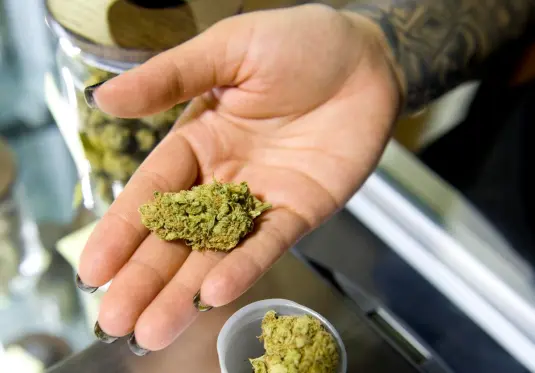
The variance between vaping and smoking weed

Individuals confuse the process of vaping and smoking weed to be comparably same but actually, they differ in many ways. This article takes you through how both activities take place and what is involved in each of them. 

 To be able to understand what vaping and weed smoking involves, you need to get detailed information about both of the activities. Below is a detailed description of both of the two activities and how they related. 

 Vaping 

 Vaping involves inbreathing vapourized dried weed in form of vapour rather than smoking the weed. Vaping involves concentrated weed substances that have been dried and vaporized. 

 Vaping imposes more sensation compared to smoking due to the high concentration of substance used. Also, it’s important to note that vaping has side effects and can cause healthy complications lung complications. Some of the lung complications associated with vaping include popcorn lungs which have resulted in a number of death cases. 

 Vaping is a new way of consuming weed and thus research about it hasn’t yet been of many details, thus it’s clear to say that detailed information of the side effects of vaping is yet to be discovered. 

 Smoking weed 

 Weed smoking is one of the common ways individuals consume weed. It involves consuming weed through inbreathing burnt weed substance directly into the body system. It is considered one of the fastest way to get high. 

 Smoking weed comes along with side effects and which can pose a negative impact physically and also harm the body. These side effects may include: 


  • Memory incapacity 
  • Breathing problems 
  • Can cause the growth of lung, neck and brain cancer 
  • Can alter the menstrual cycle  
  • Can lead to depression 
  • Can alter decision making consciousness 
  • Body immune goes down 

 There are different ways in which individuals use to smoke weed. Weed can be smoked in the following ways: 


  • Spiffing cannabis together with tobacco makes it less strong 
  • Making cigarette rolls of dried marijuana flowers 
  • Pipe smoking 

 The variance between vaping and smoking weed 

 The weed substance used in vaping is more concentrated compared to that one used in smoking. This is why vaping impacts more strong compared to smoking. Despite the fact that both differ in the intensity of their impact, they both take impose sensation and effect as soon as they are consumed. 

 Certain individuals smoke weed of high concentration more than normal. The substance involved include kief and hash which is considered to have almost same effect as compared with vaping. 

 It is much safer considering either vaping or smoking weed in small bits, and taking some time before having more of your substance. These allows your body to be able to gradually accommodate the effect from your substance. 

 Deciding on whether to do vaping or smoke weed is your decision. But to get high and enjoy the sensational feeling from your substance depends on how you choose to take your substance. 


Thomas L. Kerr

 brian@intltaxcounselors.com  

Related Post

UNDERSTANDING THC-A: BENEFITS, RISKS, AND ITS TRANSFORMATION TO THC UNDERSTANDING THC-A: BENEFITS, RISKS, AND ITS TRANSFORMATION TO THC 

Many people feel confused about how thc-a works in cannabis and its effects. Best THCA Small Buds is full of thc-a, which is a nonintoxicating cannabinoid. This blog will explain what thc-a is, cover its health benefits and risks, and show how it changes into psychoactive THC through decarboxylation. 

Key Takeaways 

  • THC-A is a nonintoxicating cannabinoid found in raw cannabis with the chemical formula C22H30O4. 
  • THC-A may help with inflammation, pain relief, and nausea, and research suggests it could protect brain health by reducing oxidative stress. 
  • Decarboxylation happens when you heat cannabis through smoking or cooking, turning THC-A into psychoactive THC that produces a “high.” 
  • Using products high in THC can cause side effects like anxiety or paranoia, especially at higher doses or for people with certain health conditions. 
  • Lab-tested cannabis products are important to avoid contamination and ensure safe use, whether seeking medical benefits or recreational effects. 

The Basics of THCA 

Cannabinoids are fascinating compounds in the cannabis plant. THCA, or tetrahydrocannabinolic acid, stands out as a nonintoxicating precursor to THC. 

Chemical composition and structure 

Tetrahydrocannabinolic acid, or THCA, has a unique chemical structure. It is a nonintoxicating cannabinoid found in raw cannabis and hemp plants. The molecular formula for THCA is C22H30O4. 

This composition includes 22 carbon atoms, 30 hydrogen atoms, and four oxygen atoms. Its structure makes it different from THC, the psychoactive counterpart that many people know. 

THCA exists as an acidic precursor to THC. When cannabis undergoes decarboxylation—like when heated—it transforms into THC. This process releases carbon dioxide and changes the chemical properties of the compound. 

As a result, users experience different effects depending on whether they consume raw cannabis or products high in THC. 

Understanding the chemistry of cannabinoids can lead to better choices in health and wellness. 

Potential health benefits 

THC-A offers various potential health benefits. Some studies suggest it may help with inflammation, pain relief, and nausea. This nonintoxicating cannabinoid interacts with the body’s endocannabinoid system in unique ways. 

Medical marijuana often includes THC-A for patients seeking relief without psychoactive effects. Users might find comfort from conditions like arthritis or chronic pain through its use. 

Research also indicates that THC-A may have neuroprotective properties. It could support brain health and promote overall wellness by reducing oxidative stress. Many enthusiasts of cannabis appreciate these benefits without experiencing a “high.” Lab-tested products ensure users receive quality and safe options. 

The next section explores how this compound transforms into THC through decarboxylation processes. 

The Transformation of THCA to THC 

The transformation of THCA to THC occurs through a process called decarboxylation. This change can happen when you heat the cannabis, making it psychoactive and altering its effects on the body. 

How it happens 

THC-A transforms into THC through a process called decarboxylation. This change occurs mainly when heat is applied. 

  1. Heat activates the chemical change in THCA. Raw cannabis contains THCA, which is nonintoxicating and does not produce psychoactive effects. 
  1. During smoking or cooking, warmth triggers this transformation. Cooking cannabis at high temperatures alters its structure. 
  1. As temperature rises, carbon dioxide (CO2) evaporates from the THCA. This loss of CO2 makes THC available for use. 
  1. Lab-tested products confirm that decarboxylated cannabis delivers heightened effects. Consumers often seek these activated cannabinoids for their benefits. 
  1. Understanding this process can enhance product selection for health benefits and recreational enjoyment. Knowing how THCA turns to THC means better choices in cannabis products. 
  1. Potential risks arise during decarboxylation if temperatures are too high. Overheating can damage cannabinoids and reduce effectiveness. 
  1. Individuals should pay attention to consuming properly prepared cannabis for optimal results. Careful preparation ensures users experience the full range of health benefits without unwanted side effects. 

Potential risks and dangers 

THC-A can transform into THC through a process called decarboxylation. This occurs when heat applies to raw cannabis. When this happens, users experience the psychoactive effects associated with THC. 

Some may find these effects desirable, but they also present potential risks and dangers to consider. 

Not everyone reacts well to THC. It can cause anxiety or paranoia for some individuals, especially in higher doses. People with certain medical conditions might also face increased risks when using products that contain THC. 

Additionally, using cannabis without proper lab testing raises concerns about contamination. Consumers should approach cannabis use carefully and stay informed about its health benefits alongside its possible dangers. 

FAQs 

1. What is THC-A and how does it relate to cannabis? 

THC-A, or tetrahydrocannabinolic acid, is a cannabinoid found in raw cannabis and hemp. It acts as the nonintoxicating precursor to THC. 

2. How does THC-A transform into psychoactive THC? 

Through decarboxylation, heat changes THC-A into tetrahydrocannabinol (THC). This process makes the compound psychoactive. 

3. Are there health benefits linked to consuming THC-A? 

Research suggests possible health benefits from cannabinoids like THC-A in raw cannabis. These may include anti-inflammatory effects and neuroprotection; however, more lab-tested studies are needed. 

4. Is consuming THC-A risky compared to using psychoactive compounds like regular THC? 

THC-A itself is nonintoxicating and carries fewer risks than psychoactive forms of cannabis; yet some risks can arise if it transforms into active tetrahydrocannabinol through heating. 

5. Why do people choose products with lab-tested levels of cannabinoids such as THCA or regular tetrahydrocannabinol? 

Lab testing ensures accurate measurement of cannabinoid content in hemp or other cannabis products; this helps users understand both potential benefits and risks before use. 

Thomas L. Kerr

 brian@intltaxcounselors.com  

THE INDUSTRIAL-SCALE POTENTIAL: NAVIGATING THE 2026 MARKET FOR THCA HASH BULK THE INDUSTRIAL-SCALE POTENTIAL: NAVIGATING THE 2026 MARKET FOR THCA HASH BULK 

As we progress through the second quarter of 2026, the cannabis concentrate sector has matured into a sophisticated, high-volume industry. While artisanal small-batch products still command a premium, the real engine of the current economy is found in the distribution of Buy THCA Rosin Here. This specialized wholesale market caters to high-volume manufacturers, retail chains, and extraction labs seeking a clean, potent, and versatile raw material. However, the 2026 landscape is no longer just about volume; it is defined by a rigorous new federal framework that requires bulk buyers to be more diligent than ever before. 

Defining the Bulk Standard: Solventless Purity at Scale 

The primary appeal of THCA hash bulk in 2026 remains its “solventless” nature. Unlike hydrocarbon extracts (BHO/PHO) that use butane or propane, hash is produced through mechanical separation. For bulk buyers, this is a strategic choice: it eliminates the risk of residual solvent contamination and appeals to the 2026 “clean label” consumer who prioritizes organic-equivalent processing. 

Industrial-scale hash production has evolved significantly this year. Leading facilities now utilize: 

  • Automated Ice-Water Systems: These stainless steel “wash plants” can process up to 500 pounds of fresh-frozen biomass in a single cycle, using precise agitation settings to isolate specific micron-sized trichome heads without damaging the delicate THCA crystals. 
  • Large-Scale Freeze Drying: To prevent the oxidation and browning common in traditional hash, bulk producers use commercial-grade freeze dryers. This preserves the light, sandy texture and golden hue that indicates high-quality, unadulterated THCA. 
  • Mechanical Sifting Technology: For dry-sift bulk operations, vibratory sieves with laser-cut screens ensure that only the purest resin glands make it into the final “melt,” resulting in a high-potency product that tests between 60% and 80% THCA. 

Navigating the November 2026 Federal Deadline 

The most critical factor for anyone dealing in THCA hash bulk today is the “strategic runway” established by H.R. 5371. While the 2018 Farm Bill allowed for a flexible definition of hemp, the new 2026 federal provisions have introduced a “Total THC” cap that specifically includes THCA. 

Bulk purchasers must now prepare for the November 12, 2026, enforcement deadline. Currently, bulk hash is still being traded as a compliant hemp derivative in many jurisdictions, provided the Delta-9 THC remains below 0.3%. However, the new law will impose a strict 0.4mg total THC limit per final container. This is shifting the bulk market toward “Post-November Planning,” where hash is increasingly being funneled into state-licensed medical or adult-use channels where it can be legally activated and sold as a high-THC product

Quality Control and Compliance in 2026 

In the 2026 wholesale environment, “blind buying” has been replaced by data-driven procurement. When sourcing THCA hash bulk, industry professionals utilize a specific verification stack: 

  1. Full-Panel COAs: In addition to potency, bulk lots must be screened for heavy metals, microbials, and mycotoxins. In 2026, these lab results are verified via blockchain-linked QR codes to prevent certificate tampering. 
  1. Micron Specificity: Bulk hash is often sold by “grade.” “Full-melt” (typically 70u–120u) is sought for its dabbing potential, while “food grade” or “extraction grade” (below 45u or above 160u) is purchased in massive quantities for the production of infused pre-rolls and edibles. 
  1. Temperature-Controlled Logistics: Because THCA is sensitive to heat, bulk shipments are now moved exclusively through “cold-chain” logistics. Maintaining a steady 40°F (4°C) or lower during transit prevents the hash from “greasing” or prematurely decarboxylating into Delta-9 THC, which would render the shipment non-compliant. 

By leveraging these industrial-scale technologies and adhering to the strict 2026 compliance standards, the THCA hash bulk market provides the essential foundation for the most potent and pure products in the modern cannabis era. 

Thomas L. Kerr

 brian@intltaxcounselors.com  

UNLEASHING THE POWER OF TERPENES THE AROMATIC COMPOUNDS IN CANNABIS UNLEASHING THE POWER OF TERPENES THE AROMATIC COMPOUNDS IN CANNABIS 

If you’ve ever been captivated by the distinct aroma of cannabis, you’ve experienced the power of terpenes. These organic compounds, responsible for the characteristic fragrance and flavor profiles in cannabis strains, play a crucial role in the plant’s effects. In this article, we delve into the science behind terpenes and how they contribute to the cannabis experience.

What are Terpenes?

Terpenes are a large class of volatile organic compounds found in a wide variety of plants, including cannabis. They contribute to the aroma and flavor of different strains of cannabis, from the fruity scent of Blue Dream to the earthy aroma of OG Kush. There are over 200 terpenes in cannabis, each contributing to the strain’s unique sensory profile Online Dispensary Canada – Topshelfbc.

Terpenes and The Entourage Effect

Beyond aroma and flavour, terpenes are believed to interact synergistically with other compounds in cannabis, a phenomenon known as the entourage effect. This theory suggests that the therapeutic efficacy of the cannabis plant is not just due to THC or CBD, but also due to the synergistic interplay of various compounds, including terpenes.

For instance, Myrcene, the most common terpene in cannabis, is known for its earthy aroma and is believed to promote calming effects. On the other hand, Limonene, with its refreshing citrus aroma, is associated with elevated mood and stress relief.

How Terpenes Influence Your Cannabis Experience

When choosing a cannabis strain, considering its terpene profile can significantly influence your experience. Each terpene contributes a unique set of effects, and understanding these can help you choose a strain that aligns with your needs.

For example, if you’re seeking relaxation and stress relief, a strain high in Linalool, a terpene also found in lavender, might be a good choice. If you’re looking for something to boost your mood or alleviate stress, a strain high in the citrusy terpene Limonene may be more suitable.

Preserving the Terpenes in Your Cannabis

Proper storage of cannabis is crucial to preserve its terpene profile. Factors like heat, light, and air exposure can degrade terpenes, altering the flavor and potential effects of your cannabis. Glass containers, stored in a cool, dark place, are ideal for keeping your cannabis fresh and preserving its rich bouquet of terpenes.

Conclusion

Terpenes are crucial in differentiating cannabis strains, influencing their aroma, flavour, and effects. Understanding terpenes and their benefits can enrich your cannabis experience, allowing you to choose strains that align with your specific needs and preferences. So, next time you take a whiff of your favorite strain, take a moment to appreciate the complex interplay of terpenes that contribute to its unique profile.

Thomas L. Kerr

 brian@intltaxcounselors.com